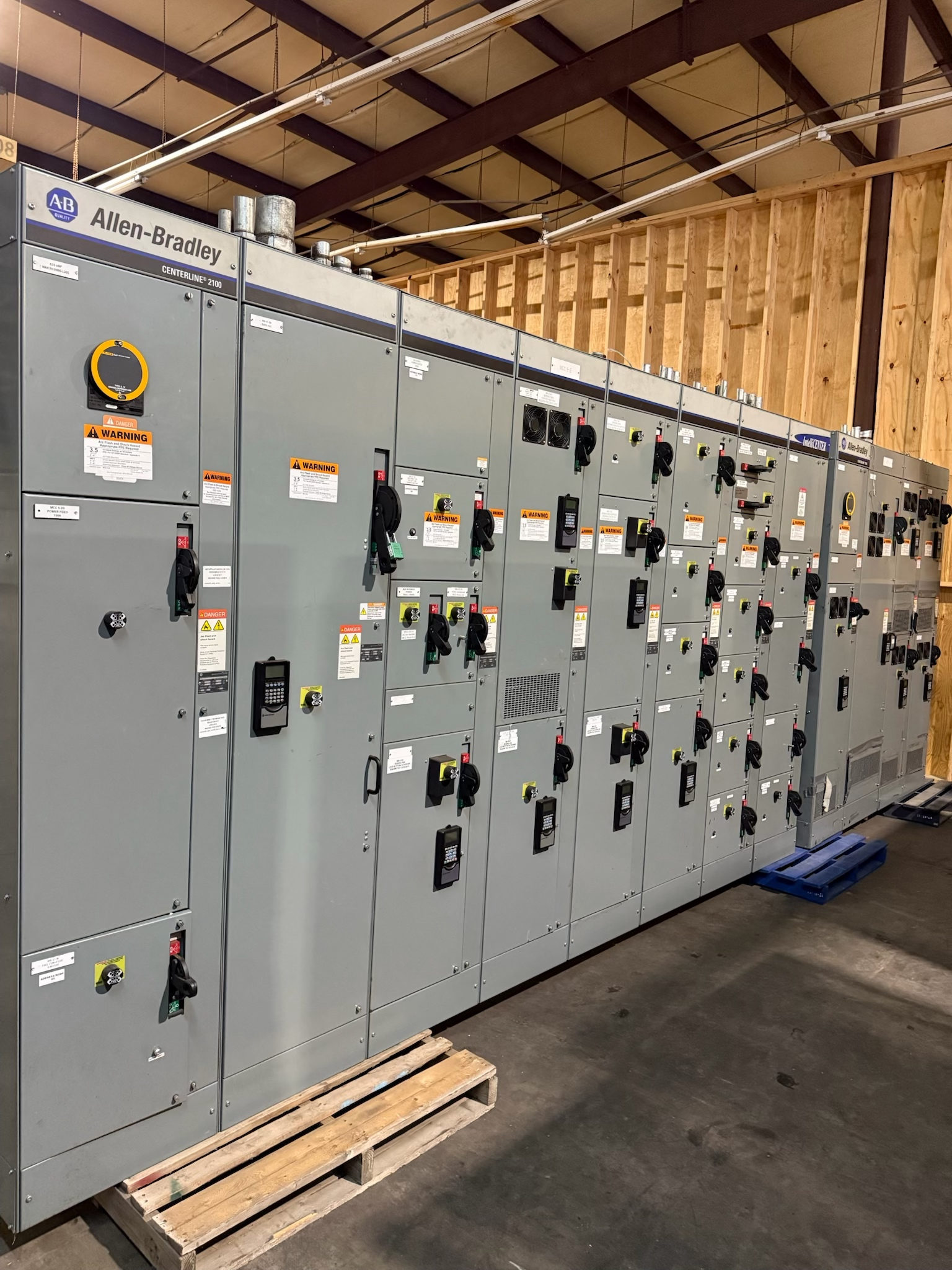
Plan Witness Points Around Project Decisions
Factory witness testing gives the project team an agreed opportunity to observe specified inspections and tests on new switchgear before shipment. It is not a substitute for design review, routine factory quality checks, or commissioning at the installation site. The value is in confirming that selected equipment and documented results align with the approved project requirements while questions can still be resolved with the manufacturer.
Start by identifying why observation is requested: verification of a particular design feature, review of test records, confirmation of an interface, or a contractual hold point before release. Define which assemblies and activities are included, who must attend, and what evidence supports acceptance. A witness point should have a stated purpose and decision path, not simply reserve calendar time.
Set a Project-Specific Test Scope
Switchgear testing and inspection scope depends on equipment design, specifications, applicable standards, and contract requirements. The project team should distinguish routine production checks from any additional inspection or demonstration requested for the order. Confirm the tests that apply to the supplied assembly, the sequence, acceptance criteria, required records, and whether observation is in person or handled through an agreed alternative. Do not assume a particular test, listing, or standard applies to every product.
Useful inputs include the approved one-line diagram, equipment schedules, control schematics, protective-device requirements, approved submittals, and applicable project specifications. The manufacturer and qualified electrical professionals should reconcile conflicts before the test plan is finalized. If the project requires verification of a specific control, interlock, or interface, describe the expected behavior and reference the governing document so the test can be bounded and evaluated consistently.
Define Witness, Hold, and Review Roles
A witness point generally allows designated representatives to observe an activity; a hold point requires specified approval before work proceeds past a defined stage. The contract and inspection plan should state which applies, how notice is given, and what happens if an invited representative cannot attend. Clarify whether attendance confirms observation only or carries authority to accept results, approve a deviation, or release the equipment for shipment.
Assign responsibilities among the manufacturer, customer, consulting engineer, electrical contractor, commissioning representative, and any other named reviewer as appropriate to the project. Identify one person authorized to consolidate comments and communicate dispositions. Acceptance authority should be explicit and consistent with the purchase documents. Observing a test does not by itself transfer design responsibility or establish that all installation, utility, or site requirements have been satisfied.
Coordinate Schedule and Readiness
Factory test dates depend on the order schedule, assembly readiness, test scope, and availability of required participants. Agree on a proposed window early, then confirm the date against an agreed readiness milestone. The plan should include notice periods, attendee names, access or meeting arrangements, expected duration, and a process for rescheduling. Avoid treating a tentative date as a guaranteed shipment date; unresolved findings or incomplete approvals can affect release timing.
Before the witness event, confirm that the applicable drawings and revisions are current, required test procedures are available for review, and open technical questions have owners. Establish how attendees receive records and how comments are captured. For remote observation, if accepted for the project, agree on the viewing method, document sharing, and how the observer can ask for a pause or clarification. Resolve any access, confidentiality, or recording conditions in advance.
Clarify Equipment Interfaces and Boundaries
Testing plans should identify what is inside the supplied equipment boundary and what depends on external systems. Possible interfaces include incoming and outgoing connections, control wiring, metering, protective devices, communications, and customer-furnished components. Confirm which interfaces can be meaningfully checked at the factory, which require simulated inputs, and which must be verified after installation. The plan should not imply that a factory test proves field wiring, utility coordination, or system performance beyond the agreed scope.
Project-specific design choices can affect what is observable and how results are interpreted. Review the approved configuration, control logic, instrument or device selections, and any agreed settings or test values that are relevant to the witness plan. Ratings, enclosure details, and standards applicability must be verified for the specific design and application. Where a requested demonstration cannot be performed as written, document the limitation and agree on an acceptable alternative before the test date.
Record Results and Resolve Findings
Use a defined record for each witnessed activity: equipment identification, drawing or procedure revision, test performed, result, witness names, and any exceptions. Capture questions and nonconformances with an assigned owner, due date, and disposition. Separate an observation from a rejection or requested change, and route proposed deviations through the project’s established approval process. Clear records help prevent different parties from treating informal comments as final acceptance decisions.
At the closeout review, confirm which items passed, which remain open, and what evidence is needed to resolve them. The acceptance record should identify the authorized reviewer and any conditions affecting release. If corrective work changes the design or test result, determine whether revised documentation or repeat testing is required under the project requirements. Keep the final report with the approved submittals and shipment documentation so it can support later installation and commissioning review.
Prepare a Practical Witness-Test Request
For a useful request, provide the purchase order reference, equipment scope, approved drawing revisions, specification clauses, proposed witness points, acceptance criteria, and names and roles of decision-makers. Include preferred dates, required notice, attendance format, and any language or documentation needs. Ask the manufacturer to identify the proposed procedure, prerequisites, records, and any scope items needing clarification. Review the plan with qualified electrical professionals and relevant project authorities before confirming it.
A focused pre-test meeting can close gaps in scope, interfaces, schedule, and acceptance authority. Record decisions and distribute the agreed plan to attendees before the event. If the project does not require a witness, request the applicable routine test documentation and clarify what records will accompany the new switchgear. For custom assemblies built to specification, resolve technical questions through the approved design process; do not rely on a witness visit to substitute for timely submittal review.
Project specification checklist
Use this checklist to organize the details for a project-specific review. Final ratings, applicable standards and equipment selections depend on the approved design.
| Item | What to confirm |
|---|---|
| Witness-point definition | Confirm whether each point is for observation, review, or a contractual hold requiring approval before proceeding. |
| Test scope and criteria | Identify applicable tests, referenced requirements, acceptance criteria, procedures, and required records for the specific assembly. |
| Roles and acceptance authority | Name attendees, comment coordinators, authorized approvers, and the party responsible for disposition of findings. |
| Schedule and notice | Agree on readiness prerequisites, notice period, proposed date, attendance format, duration, and rescheduling process. |
| Equipment boundary and interfaces | List included assemblies, external connections, simulated inputs, and items reserved for site verification. |
| Closeout and release | Define how results, exceptions, corrective actions, approvals, and shipment-release conditions will be documented. |