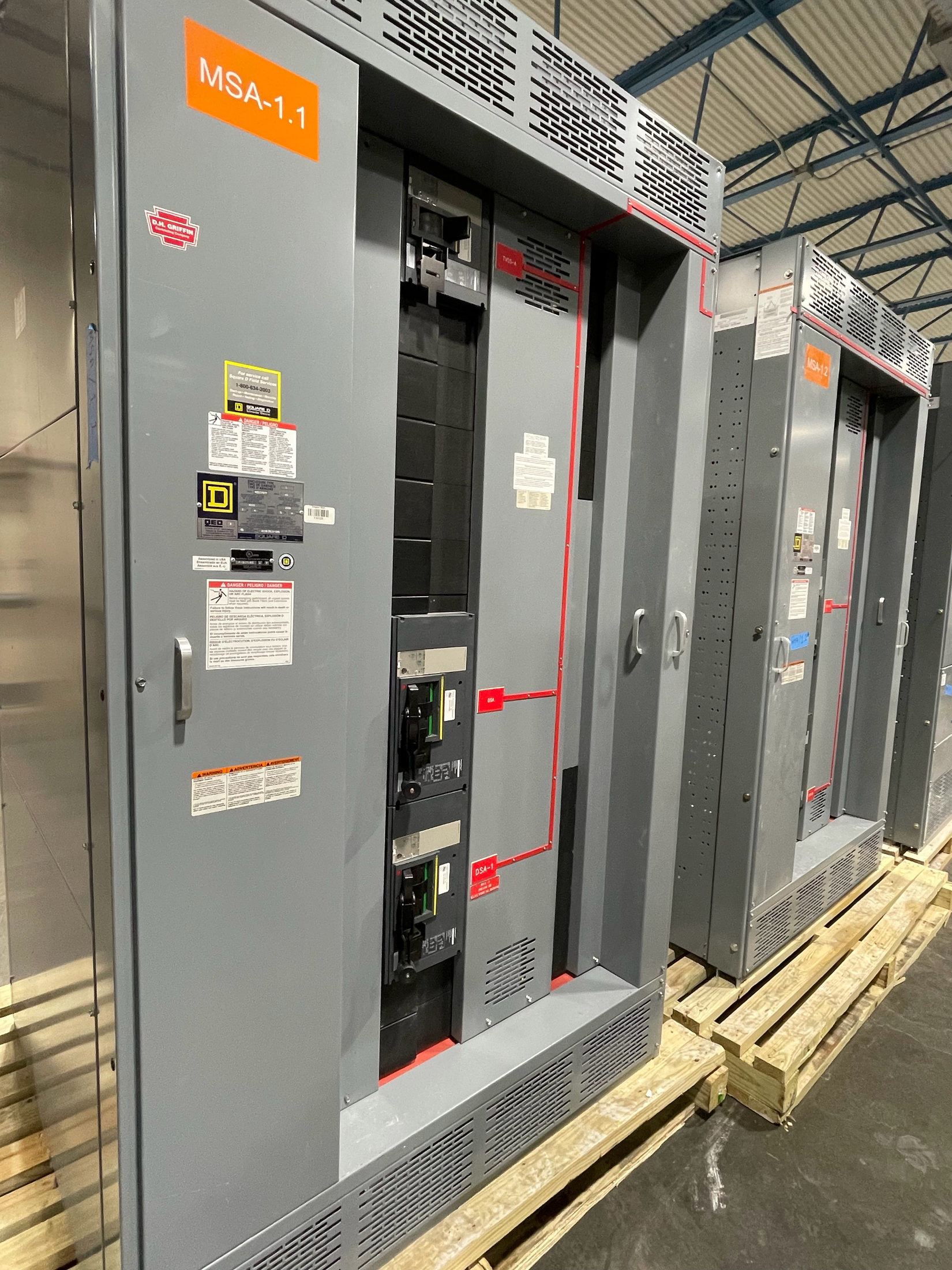
Start With the High-Voltage Application
High-voltage switchgear is considered for projects where the electrical system’s operating voltage, network arrangement, and protection strategy call for equipment designed for that application. Typical inquiries may involve utility interfaces, generation or transmission systems, large facilities, or infrastructure, but the equipment choice depends on the project’s actual electrical design. A request for “high voltage” alone does not establish what assembly is suitable or whether a particular supplier can provide it.
For a new project in Central Texas, begin by identifying the system purpose, point of connection, project location, and responsible design team. Clarify whether the scope is a complete switchgear lineup, a defined assembly, or equipment integrated with other systems. These basics help determine whether project-specific sourcing is feasible before a quotation or schedule is discussed.
Define the Electrical and Environmental Requirements
Selection depends on verified system data, not a broad voltage label. The design team should identify nominal and maximum system voltage, frequency, continuous current requirements, fault duty, insulation coordination, grounding method, and required switching and protection functions. Confirm how the equipment will connect to upstream and downstream devices, including transformers, cables, bus, relays, and control systems. Ratings must be evaluated together for the intended installation; no single value establishes suitability.
Also document indoor or outdoor placement, ambient conditions, altitude where relevant, access constraints, clearances, cable entry, and any site-specific environmental exposure. Enclosure construction and operating arrangements should follow the application and applicable requirements. These criteria are inputs for engineering review, not assumptions about standard capabilities. Qualified electrical professionals and relevant authorities should confirm the design basis and applicable standards.
Assess Project-Specific Sourcing Feasibility
High-voltage equipment is often highly dependent on the system architecture and project interface requirements. A feasibility review should establish the required equipment type, lineup configuration, operating sequence, protection scheme, control and communications interfaces, and division of responsibility among the manufacturer, engineer, utility, and other equipment providers. Drawings, one-line diagrams, specifications, and interface documents help expose gaps before scope and schedule are established.
The manufacturer builds new equipment in the USA using all-American components and can consider custom assemblies to specification. That does not establish that every high-voltage design, rating, or certification is available. Feasibility depends on a detailed review of the requested configuration, applicable standards, component requirements, and project constraints. UL 891 applies to suitable switchboards and should not be assumed to apply to high-voltage switchgear.
Plan Interfaces, Testing, and Acceptance
High-voltage projects require careful coordination of protection, control, and physical interfaces. Confirm relay functions and settings responsibility, trip and close circuits, interlocks, metering, communications protocols, terminal requirements, and connections to adjacent equipment. Identify who supplies and approves each interface document, and when design information must be frozen. This coordination can reduce late changes, but the project team must determine the required review and approval process.
Define inspection, documentation, and testing expectations in the project specification. The applicable tests and acceptance criteria depend on equipment design, ratings, governing standards, and project requirements; they should be agreed upon by qualified parties before manufacturing proceeds. Do not infer a listing, utility approval, or test scope from a general product description. Commissioning and field work should be planned and performed by appropriately qualified personnel under project safety procedures.
Build a Realistic Procurement Plan
A useful inquiry package includes the project specification, one-line diagram, equipment schedule, site conditions, interface requirements, requested standards, and target dates for design review and required delivery. Note which details are preliminary and identify unresolved questions. This allows the manufacturer to distinguish confirmed requirements from assumptions and to determine whether a custom assembly can be considered for the project.
Lead times are determined by project and should be discussed after scope, design inputs, and required approvals are understood. For Central Texas projects, coordinate shipping access, receiving arrangements, site readiness, and the sequence for related equipment without assuming a local factory or office. Nationwide shipping is available, but transport planning and delivery timing remain project-specific. Avoid setting construction milestones around an unreviewed estimate.
Prepare a Clear High-Voltage Inquiry
Before requesting a feasibility review, assign a technical contact and gather the latest design documents. Include the system voltage and fault-duty basis, functional requirements, installation environment, preferred configuration, applicable project standards, and any utility or authority requirements already identified. State the project phase, decision dates, and known interfaces. If information is not yet established, mark it as pending rather than substituting an assumed rating or design choice.
Ask which requirements can be evaluated from the submitted package, what additional engineering inputs are needed, and whether the requested scope is within the manufacturer’s project-specific sourcing capabilities. Request clarification on standards, documentation, testing, and schedule assumptions before treating a proposal as a committed design or delivery plan. This disciplined first exchange gives the design team a practical path to assess new switchgear options while keeping safety and compliance decisions with qualified professionals and relevant authorities.
Project specification checklist
Use this checklist to organize the details for a project-specific review. Final ratings, applicable standards and equipment selections depend on the approved design.
| Item | What to confirm |
|---|---|
| System basis | Confirm nominal and maximum voltage, frequency, grounding method, and the design basis with the project engineer. |
| Electrical duty | Provide required continuous current, fault duty, insulation coordination, and protection functions for engineering review. |
| Configuration and interfaces | Identify lineup arrangement, connections, relays, controls, communications, and responsibility for each interface. |
| Installation conditions | Document indoor or outdoor placement, environmental conditions, access, clearances, and cable-entry needs. |
| Standards and acceptance | Specify applicable standards, required reviews, inspection, testing, and acceptance criteria; confirm applicability for the design. |
| Schedule and logistics | Share project milestones, design-approval dates, receiving constraints, and shipping location for project-specific planning. |