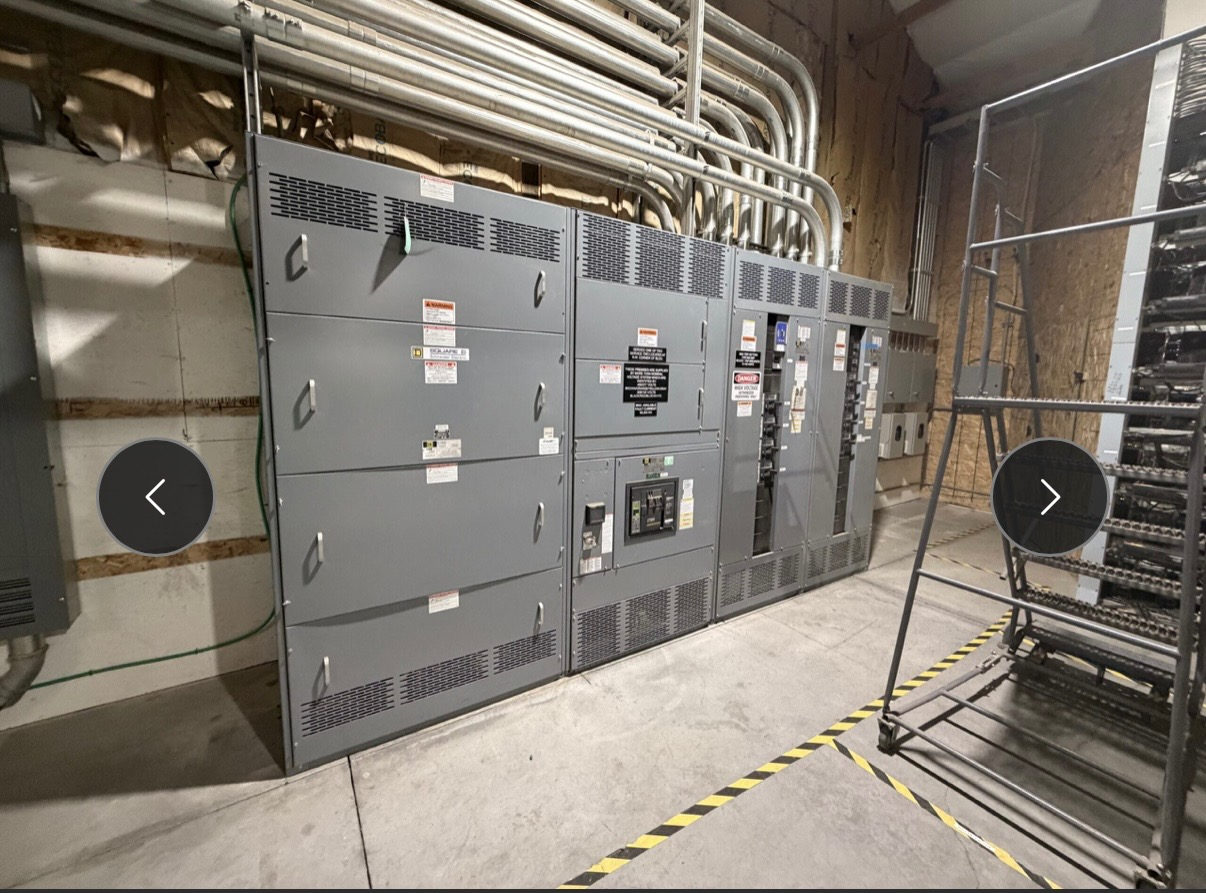
Start with the system and sourcing scope
High-voltage equipment sourcing begins with the role the equipment will serve, not a catalog description. For a Central Texas project, clarify whether the scope is a new switching installation, replacement equipment, or an addition to an existing system. Identify the owner’s operating requirements, the facilities or loads served, and whether the supplier is being asked to provide one assembly or coordinate related components. High-voltage switchgear is not a single interchangeable product category: voltage class, system arrangement, interruption method, and applicable design requirements depend on the specific project.
At the outset, distinguish supplier responsibilities from those of the engineer, utility, installer, and commissioning team. Ask what the manufacturer can design and build to specification, what information it needs to assess fit, and which interfaces are outside its scope. This prevents an availability discussion from being mistaken for confirmation that a particular design is suitable.
Provide the data needed to assess technical fit
A useful inquiry includes the one-line diagram, nominal and maximum system voltage information, frequency, grounding method, available fault-current data, and the required continuous and interrupting performance. Include operating sequence, protection and control requirements, number and function of ways or breakers, and any constraints on access or maintainability. These inputs let qualified project professionals evaluate the design basis; they do not establish that a specific rating is acceptable without engineering review.
Share site conditions that can affect equipment selection, such as indoor or outdoor placement, environmental exposure, elevation where relevant, seismic or other project criteria, and space limitations. Identify cable entry direction, conductor details, termination preferences, and required clearances when known. Missing or preliminary data should be marked as such. The supplier can then identify assumptions and open questions rather than silently treating unverified values as final.
Verify supplier capability without assuming availability
Ask whether the supplier can furnish new equipment for the project’s voltage class, configuration, duty, and environmental requirements, and which portions it will manufacture or coordinate. Request confirmation against the project specification rather than relying on broad statements about high-voltage capability. Ask how deviations, exceptions, and unresolved requirements will be documented, and whether custom assemblies can be developed to the project’s approved design basis.
Availability is project-specific. It may depend on the selected design, component sourcing, engineering approval, manufacturing sequence, and the completeness of the technical package. Request a current schedule basis with stated assumptions, major review milestones, and factors that could change the estimate. Do not treat an informal lead-time indication as a committed ship date. A US-built, all-American-component approach may be relevant to sourcing preferences, but component origin and schedule implications should be confirmed for the proposed assembly.
Resolve interfaces and design decisions early
High-voltage switchgear must fit into a wider electrical system. Confirm boundaries for incoming and outgoing connections, bus or cable interfaces, grounding, control power, protection relays, communications, and any required interlocks. Establish who supplies instrument transformers, surge protection, metering, and auxiliary equipment, where those items are required. The project team should also resolve how equipment connects to existing assets and who is responsible for interface drawings, settings, and coordination studies.
Document decisions that materially affect the build: arrangement, access side, entry and exit locations, control scheme, labeling, finish or environmental provisions, and any required future expansion. Where the equipment replaces existing gear, provide verified field dimensions and connection information rather than relying only on old drawings. The supplier should identify information needed for design approval and flag conflicts for resolution by the responsible electrical professionals.
Plan reviews, testing, and standards confirmation
Before release for manufacture, agree on the submittal package and review sequence. Depending on the design and project requirements, this may include arrangement drawings, schematics, wiring diagrams, bills of material, interface details, and quality or test documentation. Define who reviews and approves each item and how revisions are controlled. Factory testing should be discussed in terms of the specified equipment, applicable requirements, acceptance criteria, records, and witness expectations; do not assume a test scope from a product label alone.
Confirm which standards and certifications apply to the actual assembly and its components. Requirements vary with equipment type, voltage, design, and jurisdiction. UL 891 applies to suitable switchboard assemblies and should not be presumed to cover high-voltage switchgear. The engineer and relevant authorities must review the proposed design for the project. Also clarify whether field installation, site testing, or commissioning is included or handled by other parties; no site service should be presumed.
Turn the inquiry into a procurement-ready package
To get a useful proposal, send the current specification, one-line diagram, equipment schedule, site constraints, interface information, required submittals, and target procurement milestones together. Identify items still awaiting utility or engineering decisions and state when updates are expected. Ask the supplier to list its scope, exclusions, assumptions, required customer inputs, and schedule dependencies in writing. Comparing proposals on those points is more informative than comparing an unqualified price or lead-time statement.
Before authorizing production, close technical exceptions, confirm the approved configuration and connection boundaries, and establish document review dates and the process for design changes. For nationwide shipment, coordinate the delivery location, access restrictions, receiving arrangements, and handling responsibilities with the project team; shipping capability does not establish installation or site-service coverage. A complete, reviewed package gives the manufacturer a sound basis to assess new-equipment capability and schedule while leaving final suitability decisions with qualified professionals and the relevant authorities.
Project specification checklist
Use this checklist to organize the details for a project-specific review. Final ratings, applicable standards and equipment selections depend on the approved design.
| Item | What to confirm |
|---|---|
| System data | Confirm voltage, frequency, grounding, fault-current basis, operating duty, and protection requirements with the project engineer. |
| Equipment scope | Define the assembly, included components, exclusions, control functions, and any coordination responsibilities. |
| Site and connections | Provide verified space, environmental conditions, access, cable or bus interfaces, and existing-equipment details. |
| Standards and testing | Identify project requirements and confirm applicable standards, certification scope, test criteria, and documentation for the proposed design. |
| Schedule basis | Request a project-specific availability estimate with assumptions, design-review milestones, sourcing dependencies, and change controls. |
| Delivery coordination | Confirm destination, receiving and handling responsibilities, shipment timing, and whether installation or field services are separately arranged. |