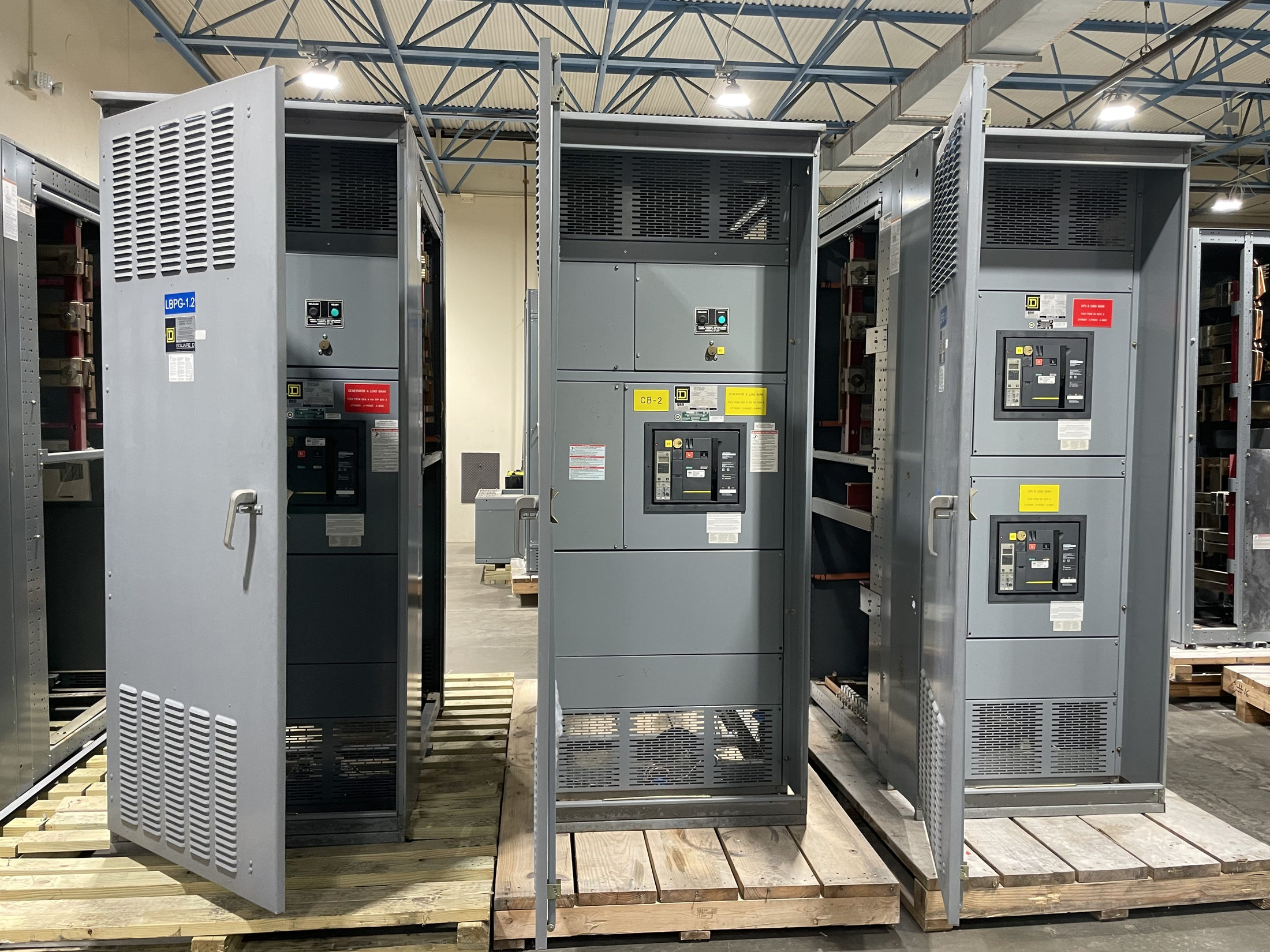
Start with the System the Equipment Must Serve
A useful quote for new medium-voltage equipment begins with the electrical system and the role the assembly will perform. Describe the facility or project application, the equipment being supplied or replaced, and whether the scope involves incoming service, distribution, motor loads, transformer connections, or another function. State the nominal system voltage and frequency, phase arrangement, grounding method, and source configuration as confirmed by the project engineer or utility. Identify normal and alternate sources, ties, and any planned operating configurations. These facts establish the context for selecting an equipment arrangement; a voltage value alone does not determine whether a particular design is suitable.
Include available one-line diagrams and relevant studies if they exist, noting their revision dates and any assumptions. If design information is preliminary, identify what remains unresolved rather than treating estimates as final. Explain the intended location and basic environmental conditions, such as indoor or outdoor placement, altitude, ambient conditions, and exposure concerns, for review. These inputs help define enclosure and layout requirements without presuming a standard configuration. A qualified electrical professional should verify system data and determine which project constraints must govern the proposed equipment.
Describe Duty and Operating Conditions
The equipment duty depends on more than normal load. For a quote, provide expected load information, load types, growth allowances, and any operating patterns that affect switching or continuity. Identify whether loads include motors, transformers, capacitors, generators, or other sources that can affect fault behavior or switching requirements. Share the available short-circuit study and the system conditions used for it, including source contributions and relevant operating modes. Do not infer an interrupting or withstand rating from nominal voltage or connected load; ratings must be selected against verified system duty and the proposed design.
Describe required sequence of operation, tie logic, transfer practices, and consequences of an outage. Note whether future expansion, spare provisions, metering, or segregation between sections is being considered. For equipment installed in an existing facility, provide available room dimensions, access routes, service clearances, and connection constraints for review; confirm these against site documents and field conditions. Include any known seismic, environmental, or other project-specific requirements. These details allow the quote to distinguish essential requirements from preferences and flag information that needs engineering confirmation before design proceeds.
Set Protection, Metering, and Control Requirements
Protection requirements should be provided as a coordinated project design, not selected by assuming a standard relay or trip scheme. Share the protection study, coordination objectives, existing device information, and required functions where available. Identify which devices or systems provide upstream and downstream protection, how trip and close commands are initiated, and whether interlocking or transfer logic is required. Provide control power expectations and any interfaces to plant controls, supervisory systems, or communications networks. Protocols, signal lists, and responsibility boundaries are useful when known, but should be marked as pending if still under development.
Clarify metering needs, instrument transformer requirements, indication, alarms, and event or data interfaces, subject to design review. Include the project's preferred device and relay requirements only when they are defined in the specification; otherwise request that proposed options be identified for review. Protection settings and coordination remain the responsibility of qualified project professionals using verified system data. A quote can identify the intended scope and assumptions, but should not present preliminary settings as validated or imply that equipment selection alone establishes a coordinated protection system.
Confirm Connections and Scope Boundaries
A complete inquiry explains how the proposed medium-voltage assembly will connect to the rest of the project. Identify cable entry direction and termination approach, bus or conduit interfaces, grounding connections, and any transition to transformers, existing switchgear, or other supplied equipment. Provide available drawings, connection details, and interface dimensions, while noting items that require site verification. Clarify whether the project is new construction, an addition, or a replacement, and describe any constraints imposed by existing equipment or an outage window. The quote should make the boundary between equipment scope and other project work clear.
List the documents expected with the equipment, such as arrangement drawings, elementary diagrams, connection information, and operating or maintenance documentation, as applicable to the project. Identify who is responsible for field measurements, installation, terminations, settings, and commissioning so the proposal does not assume unrequested services. The manufacturer builds in the USA using all-American components and can develop custom assemblies to specification; the proposed configuration still depends on engineering review and confirmed interfaces. Equipment can ship nationwide, with logistics and timing coordinated for the actual project rather than presumed from the inquiry location.
Identify Applicable Standards and Verification Needs
Include the project specification's required standards, codes, and authority requirements, along with the governing jurisdiction and any owner or utility criteria supplied for review. Applicability depends on equipment type, design, and project conditions; do not assume a standard or listing applies merely because the equipment is medium voltage. UL 891 pertains to suitable switchboard assemblies and does not automatically apply to medium-voltage equipment. If a particular certification, listing, or test requirement is requested, identify it explicitly so its applicability can be evaluated for the proposed assembly.
State what design reviews, inspections, and factory testing the project documents call for, and whether witness points or submittal approvals are specified. Distinguish required tests from preferences and provide the relevant specification language when possible. The quote should identify proposed verification scope and any exclusions or open questions for confirmation before award. Applicable standards and testing depend on the final design; qualified electrical professionals and relevant authorities must review the project requirements. This keeps procurement expectations aligned with the actual equipment and avoids treating an inquiry checklist as proof of compliance.
Prepare the Inquiry and Resolve Open Items
To request a switchgear quote, send the latest one-line diagram, equipment specification, load and fault-duty information, protection or coordination documents, and interface drawings available for the project. Add the planned quantity, required equipment scope, delivery destination, target schedule, and submittal milestones. Label each document with its revision and identify conflicts between drawings and specifications. If a study, rating, or interface is not yet established, call it out as an open item and name the party expected to resolve it. This gives the manufacturer a sound basis to identify assumptions, exclusions, and information needed for a firm proposal.
Before comparing proposals, review equipment arrangement, stated duty, protection and control scope, connections, standards, testing, and delivery assumptions against the project documents. Ask for deviations and unresolved inputs to be listed plainly, then route technical questions to the project's qualified electrical professionals. Lead times are project-dependent, so schedule expectations should be confirmed against the final scope and current planning information. A careful inquiry supports a quote for new switchgear that can be evaluated on engineering fit and defined responsibilities, rather than on an unverified rating or generic configuration.
Project specification checklist
Use this checklist to organize the details for a project-specific review. Final ratings, applicable standards and equipment selections depend on the approved design.
| Item | What to confirm |
|---|---|
| System definition | Confirm voltage, frequency, phase arrangement, grounding, sources, and operating configurations. |
| Duty basis | Provide verified load and short-circuit study inputs, including applicable source and operating cases. |
| Protection and controls | Identify coordination documents, required functions, control power, interlocks, metering, and communications interfaces. |
| Connections and scope | Confirm cable or bus interfaces, layout constraints, supplied equipment boundaries, and responsibility assignments. |
| Standards and verification | List project-required standards, authority criteria, applicable certifications, and specified factory tests for review. |