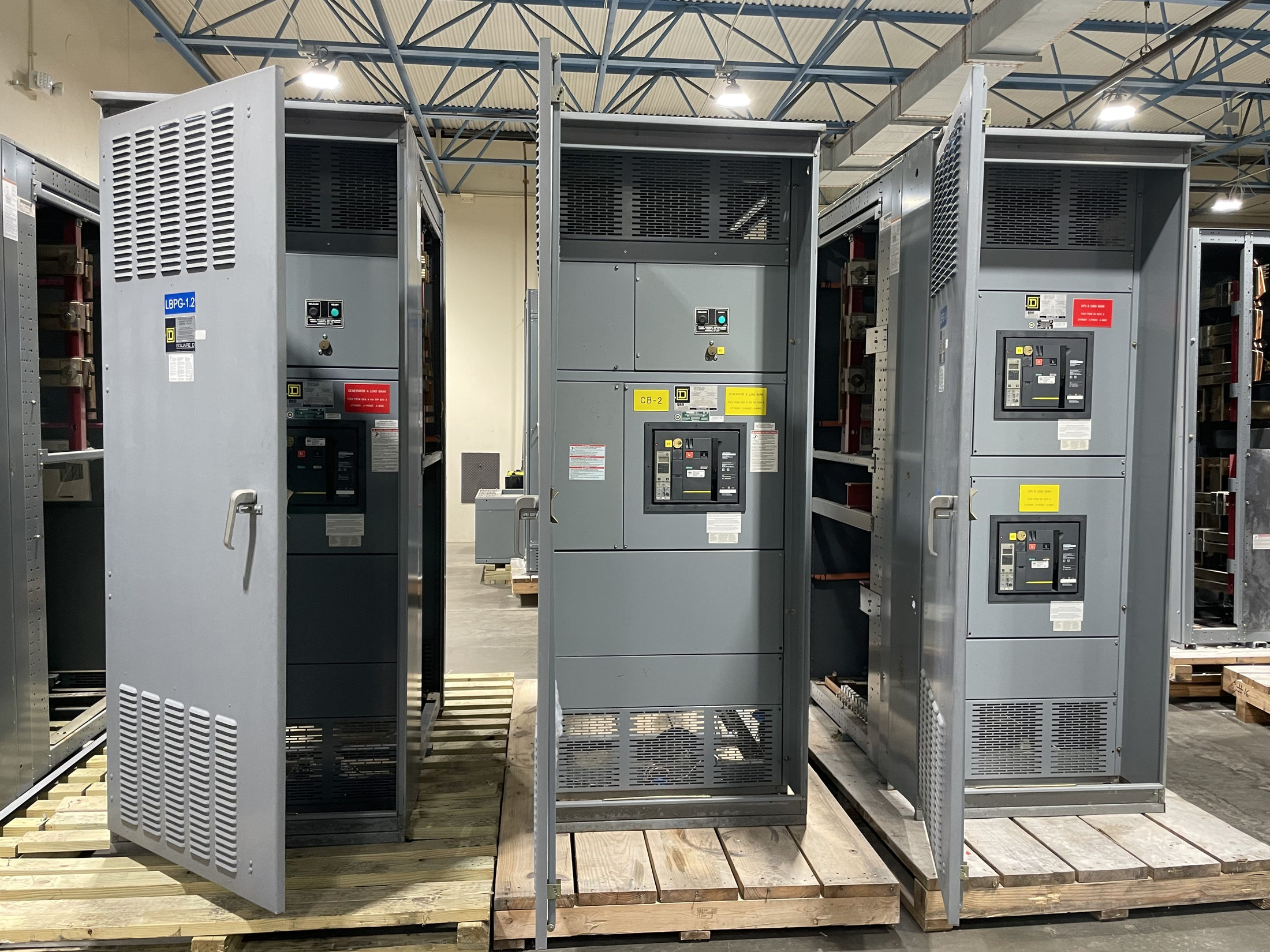
Start With the Exact Claim
When choosing a switchgear supplier, treat a listing or certification statement as a claim to verify—not as a general assurance about every product the supplier offers. Ask what specific assembly, configuration, and intended use the claim covers. The answer should distinguish a complete listed assembly from listed components, a design evaluation, or a statement that equipment is built to a standard. Those are not interchangeable. For new switchgear, verification helps establish whether the proposed equipment aligns with the project documents and the authority having jurisdiction’s requirements before a purchase commitment or design coordination is finalized.
Request the precise designation and supporting documentation, including the product or assembly identification and the standard or certification basis cited. Confirm that the documents correspond to the proposed equipment rather than a visually similar product or a different configuration. If a supplier uses broad terms such as “certified” or “approved,” ask who performed the evaluation, what was evaluated, and what limitations apply. Avoid treating a marketing page, logo, or past project reference as proof that a particular assembly is covered.
Match Scope to the Project Application
Certification scope must fit the equipment type and the way it will be used. Identify whether the project calls for a switchboard, low-voltage switchgear, or medium-voltage equipment, then verify the applicable standards and evaluation route for that design. UL 891 applies to suitable switchboard assemblies; it should not be presumed to cover medium-voltage or high-voltage switchgear, every product from a supplier, or every configuration. Other equipment may follow different applicable standards. The appropriate basis depends on the design, intended application, project specifications, and authority requirements.
Provide the supplier with the one-line diagram, equipment schedule, project specifications, and relevant operating conditions. Include required voltage, continuous current, interrupting or short-circuit performance, enclosure and environmental conditions, and any specified protective devices—but have qualified electrical professionals establish and verify these selections. Ratings and enclosure choices are not universally suitable. Ask the supplier to identify any proposed exceptions and show how the certification scope applies to the exact rating and construction being offered. Resolve gaps with the design team and relevant authorities before treating the claim as acceptable.
Check Configuration and Design Boundaries
A listing may be limited by construction details, options, component combinations, or assembly arrangements. Compare the proposed bill of materials and drawings with the documentation’s scope, including bus configuration, protective devices, metering, control components, barriers, and incoming or outgoing connections where relevant. Ask whether the exact combination has been evaluated, and whether substitutions or project-specific modifications affect coverage. A component’s own certification does not automatically establish that the completed assembly is listed or certified.
Custom assemblies can address project requirements, but customization makes configuration review especially important. Clarify which features are standard within the documented scope and which require engineering review or a revised evaluation. Confirm responsibility for documenting approved deviations and communicating any limits to the project team. Do not infer that a change is acceptable because it seems minor or because a similar arrangement was used elsewhere. The design and its certification status must be assessed together for the proposed application.
Verify Current Status and Evidence
Check that the claimed certification is current and that the certifying organization’s records, where available, identify the relevant product or assembly and its scope. Confirm the manufacturer or applicant identity, model or series references, standard edition or basis, and any conditions of use. If records are unclear, ask the supplier for current supporting documents and seek clarification from the issuing organization. A certificate or report can have limitations, revisions, or a status that does not match the proposed equipment; the document title alone is not enough.
Keep the verification tied to the procurement package. Record the claim reviewed, the evidence received, the configuration it covers, and unresolved conditions. Ask for clarification if document names, model identifiers, drawings, or supplier statements conflict. Do not assume that a prior certification remains applicable after a design change, or that a supplier’s general quality credentials certify the electrical assembly. Have the project’s qualified electrical professionals review technical evidence and consult the authority having jurisdiction where interpretation or acceptance is uncertain.
Coordinate Interfaces and Testing
Certification review is one part of fit-for-project review. Coordinate equipment interfaces with the electrical design, including utility or upstream source requirements, downstream distribution, protection and control schemes, grounding, cable entry, and physical space constraints. Identify who supplies interface data and who confirms compatibility; do not assume a listing resolves system coordination or makes the equipment suitable for a particular installation. Applicable standards and required evaluations depend on the equipment design and project.
Before release, agree on submittal documents and the review sequence for drawings, deviations, and certification evidence. Ask what routine inspections or tests are included in the proposed manufacturing documentation and what project-specific checks may be required. Do not treat a listing as a substitute for verification of the completed configuration, system studies, acceptance requirements, or field inspection. Testing and commissioning responsibilities should be defined by the project team and relevant authorities; any work on electrical equipment must be handled by qualified personnel using appropriate safety procedures.
Make Verification a Procurement Gate
Use a written checklist before approving a new-switchgear supplier or releasing an order: stated equipment type and ratings; applicable project standards; exact certification claim and current evidence; configuration coverage; identified exceptions; interface information; and submittal, inspection, and testing expectations. Ask the supplier to respond against the project specification rather than relying on a general capability statement. If an item is pending, document who will resolve it and what approval is needed before fabrication or design freeze.
For a US-built assembly with all-American components, confirm how those statements apply to the specific proposed equipment if they matter to project requirements; they do not replace certification verification. Likewise, custom design, nationwide shipping, or a target for short lead times does not establish listing scope or project suitability. Request a project-specific schedule and technical submittal for evaluation, then have qualified electrical professionals and relevant authorities review open questions. This gives procurement a clear basis to compare proposals and prevents an unsupported certification claim from becoming an assumption in the final design.
Project specification checklist
Use this checklist to organize the details for a project-specific review. Final ratings, applicable standards and equipment selections depend on the approved design.
| Item | What to confirm |
|---|---|
| Equipment and application | Confirm switchboard or switchgear type, intended use, and the project documents governing selection. |
| Certification scope | Identify the exact assembly, configuration, applicable standard or basis, and any documented limitations. |
| Status evidence | Request current supporting records and reconcile product identifiers, revisions, and supplier claims. |
| Ratings and interfaces | Verify project-specific ratings, protective devices, source and load interfaces, grounding, and physical constraints. |
| Exceptions and changes | Document deviations, substitutions, custom features, and whether each remains within the evaluated scope. |
| Review and testing | Define submittal review, required inspections or tests, responsible parties, and authority acceptance needs. |