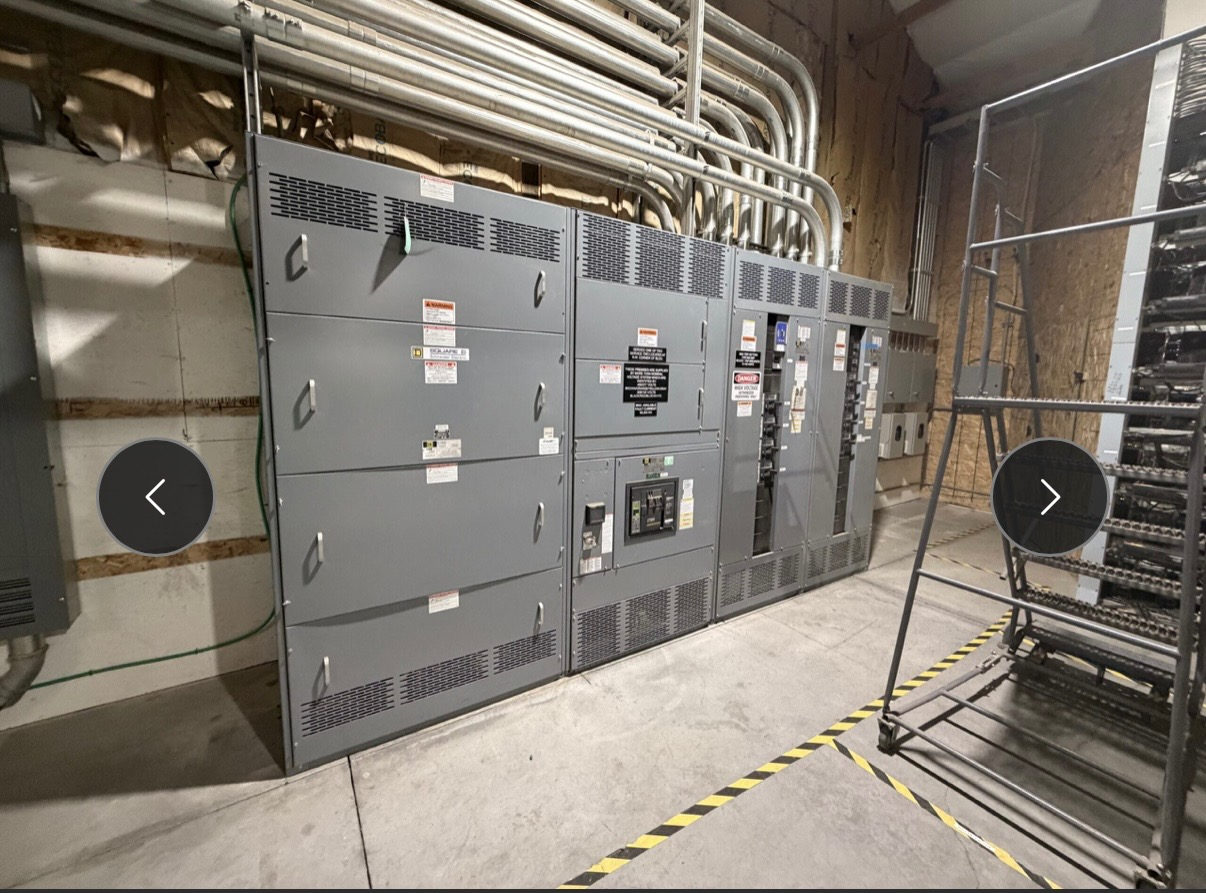
Start With the Schedule Constraint
An expedited switchgear request is a planning exercise, not a promise that every design or delivery date can be compressed. Begin by identifying the date that drives the request: equipment needed for a shutdown, building turnover, energization milestone, or another project dependency. State which dates are fixed and which have flexibility, and distinguish delivery from design release, approval, production, inspection, and site readiness. This gives the manufacturer a meaningful basis for discussing switchgear lead times and scheduling rather than relying on a single target date.
For new switchgear, the fastest responsible path usually depends on how quickly the project can resolve technical questions and approve submittals. A shortened schedule may require earlier decisions, more focused review cycles, or tradeoffs in configuration. It should not be treated as a reason to bypass engineering review, code requirements, or applicable authority approvals.
Make the Application and Scope Reviewable
Provide the one-line diagram, load and feeder information, source details, and a description of the equipment’s role in the electrical system. Identify whether the request concerns a switchboard, low-voltage switchgear, or another equipment class; terminology alone is not enough to establish the design. Include the project specifications, applicable codes or standards identified by the design team, and any required listing or labeling criteria. UL 891 may apply to suitable switchboard assemblies, but it does not automatically apply to every switchgear design.
A complete scope should also identify environmental and installation conditions that affect selection, such as indoor or outdoor placement, available space, cable entry, access for maintenance, and any site-specific constraints. Confirm the required electrical ratings from the project documents and qualified professionals. No rating or enclosure choice should be presumed acceptable without review of the system, environment, and governing requirements.
Resolve Interfaces Before Design Release
Many schedule delays begin at equipment boundaries. Identify the upstream source and downstream loads, protection and metering expectations, control power, communications, and interfaces with transformers, generators, transfer equipment, or other systems where applicable. Share the responsible design contacts and clarify who will resolve discrepancies among drawings, specifications, and equipment schedules. If other trades or suppliers provide connected equipment, confirm their dimensions, connection points, and decision dates rather than assuming those details will remain unchanged.
Project-specific choices may include arrangement, compartmentation, bus configuration, breaker or fuse selection, instrumentation, and control features. Each choice can affect engineering, component coordination, assembly, and review. Record open items with an owner and due date. Closing these questions before the design is released is often more useful than requesting a compressed production interval while critical interfaces remain unresolved.
Treat Approvals as Schedule Milestones
Agree on the submittal and approval process at the outset: required drawing content, reviewer roles, review duration, comment format, and the point at which approved documents authorize production. Identify who has authority to approve technical deviations and who can consolidate comments. Multiple reviewers sending conflicting or late revisions can create another design cycle, so establish a clear route for resolving comments and documenting accepted changes.
Expedited requests still need appropriate professional review. Confirm which project specifications, inspection expectations, and authority requirements apply, and allow time for required approvals. A change after approval—such as revised feeder data, device functions, or enclosure conditions—may require engineering reassessment and affect schedule, cost, or both. The project team should understand that consequence before authorizing a change, rather than assuming the original target date remains intact.
Compare Schedule Options and Tradeoffs
Ask for a project-specific schedule assessment based on the defined scope and current decisions. Discuss what dates are planning estimates, what actions are needed to support them, and which events could move them. Potential schedule levers may include prompt approvals, early release of stable portions of the scope where feasible, or simplifying nonessential options. Whether any lever is available depends on the design, components, review requirements, and production planning; none should be assumed before confirmation.
Compare schedule benefit against design flexibility and project risk. A narrower selection window can limit later changes, while removing a feature may affect operations, protection, maintenance, or compliance. Do not trade away required ratings, safety provisions, or applicable standards to pursue speed. Have the qualified electrical team evaluate alternatives, then document the accepted configuration and any schedule assumptions so procurement, engineering, and construction are working from the same basis.
Prepare a Decision-Ready Request
Send a concise request package with the target need date, project location, one-line diagram, equipment schedule, specifications, interface information, and a list of unresolved decisions. Mark required features separately from preferences, identify the approvers, and provide realistic dates for answers and submittal review. Ask the manufacturer to identify scope gaps, assumptions, and schedule dependencies before treating a proposed timeline as a project commitment. U.S.-built, all-American-component new equipment and custom assemblies to specification may be discussed as project requirements, with design and applicability confirmed during review.
Before placing an order, reconcile the accepted scope, commercial documents, approval milestones, and delivery assumptions. Confirm shipping coordination and the site’s receiving readiness, including access, unloading responsibility, storage conditions, and protection from construction exposure. These are planning checks, not a substitute for site-specific logistics review. If dates shift, promptly communicate the cause and decide whether to preserve the design, adjust the milestone, or evaluate a documented alternative with the responsible professionals.
Project specification checklist
Use this checklist to organize the details for a project-specific review. Final ratings, applicable standards and equipment selections depend on the approved design.
| Item | What to confirm |
|---|---|
| Schedule basis | Define the required date and distinguish design, approval, production, inspection, and delivery milestones. |
| System information | Provide current one-line diagrams, source and load data, and project-verified electrical ratings. |
| Design requirements | Identify equipment class, applicable standards, listing criteria, environment, and required functions for review. |
| Interfaces | Confirm connected equipment, cable entry, controls, communications, and responsibility for open coordination items. |
| Approval workflow | Name technical approvers, set review dates, and define how comments and post-approval changes are handled. |
| Site and shipping readiness | Verify delivery access, receiving arrangements, unloading responsibility, storage, and site protection needs. |