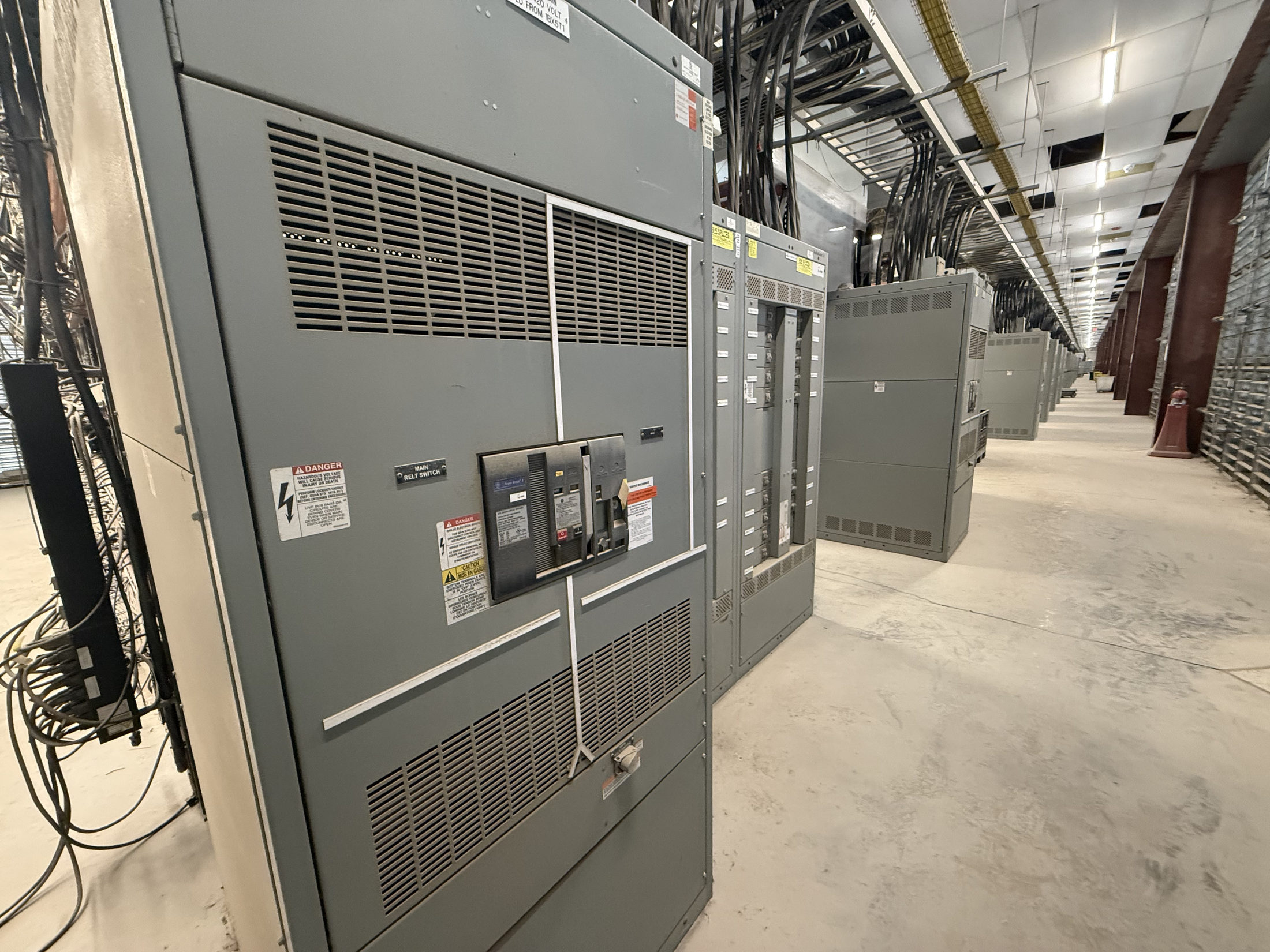
A Preliminary Quote Can Start Before Drawings Are Final
Yes. A preliminary quote for new switchgear can often be prepared from an early project description, equipment schedule, or design criteria, even when construction drawings are incomplete. The result is budgetary or conditional pricing based on stated assumptions—not confirmation that a final assembly is fully engineered or ready to release. This approach can help owners, engineers, and contractors compare options while the design develops.
The quote should identify what information was provided, what remains unknown, and which items are excluded or subject to revision. Its usefulness depends on how clearly the project’s electrical requirements and interfaces are described. Before using preliminary pricing for procurement or a committed project budget, confirm its validity period and conditions with the supplier; do not treat an unverified assumption as an approved design decision.
Share the Inputs That Govern Equipment Selection
Start with the project application and one-line diagram, if available. Helpful inputs include system voltage and frequency, phase and wire configuration, service or distribution role, anticipated load information, and the source and downstream equipment being served. Identify whether the request concerns a switchboard or another class of switchgear; terminology alone does not establish the correct construction or applicable requirements.
Protection and fault-current information are also important. Provide available fault-current data or explain when it is expected, along with required protective-device functions, metering, control, and monitoring needs. Values must be established or verified for the actual project by qualified electrical professionals. An incomplete or preliminary value may support an estimate only when clearly marked as such; final equipment selection and ratings require project-specific review.
Make Interfaces and Physical Constraints Visible
A quote becomes more useful when it describes how the new equipment connects to the rest of the installation. Note incoming and outgoing cable or bus arrangements, conductor entry direction, connection points, required transitions, and any coordination with transformers, generators, transfer equipment, or adjacent sections. Identify who is furnishing related components and where each supply boundary falls. These details can affect assembly layout, scope, and pricing even before final drawings are issued.
Include known installation constraints such as indoor or outdoor location, available floor space, access and handling limitations, environmental conditions, and enclosure requirements. Do not assume an enclosure type, dimensions, or access arrangement without verification. If site measurements or final routing are unavailable, state that clearly and list the information still needed. A preliminary quote should distinguish confirmed requirements from allowances or assumptions that must be resolved during design coordination.
Separate Confirmed Choices From Open Decisions
Some project choices may remain undecided at the quoting stage: device and protective functions, metering features, controls, communications, labeling, finish, and the arrangement of sections. Describe the desired functions rather than relying on a product name or a brief phrase such as “standard switchgear.” If an option is required, identify it; if it is still under review, ask that it be shown as an open item rather than silently presumed included.
Applicable standards and any requested listing or certification must be considered for the specific equipment design and project. UL 891 applies to suitable switchboard assemblies, not automatically to every type of switchgear or every configuration. The quote should not imply a listing or compliance status that has not been verified. Qualified project professionals and relevant authorities must review the design requirements and determine what applies before the configuration is finalized.
Plan for Clarification, Design Review, and Testing
As drawings and schedules mature, compare them with the quote assumption by assumption. Resolve discrepancies in one-line diagrams, device schedules, connection details, control narratives, and physical arrangement. Changes to system data, functions, interfaces, or required construction may change scope, price, or lead time. Ask for an updated quote or written clarification rather than relying on an earlier estimate when project inputs have changed.
Clarify what design documents, submittals, and factory testing are included in the proposed scope, and what review or approval is expected from the customer’s engineer. Testing requirements and acceptance criteria should be specified for the actual assembly and project; they should not be assumed from a preliminary quote. Installation, commissioning, and field services are separate scope questions unless expressly confirmed. All final decisions require review by qualified electrical professionals and relevant authorities.
Turn the Estimate Into a Reliable Procurement Basis
To move from preliminary pricing toward an order-ready scope, provide the latest one-line diagram, equipment schedules, verified electrical data, interface details, and written responses to open questions. Ask the supplier to identify any remaining exclusions, qualifications, and customer-furnished items. Confirm whether the quote reflects the current revision and what changes would require repricing. Lead time is project-dependent, so request an updated schedule against the defined configuration rather than assuming a delivery date from an early estimate.
A practical next step is to circulate a concise assumptions list among the owner, engineer, contractor, and equipment supplier, then assign an owner and due date to each unresolved item. This makes design development visible and reduces avoidable quote revisions. The manufacturer builds new equipment in the USA using all-American components and can ship nationwide; project scope, configuration, and timing still require confirmation. Final procurement should proceed only against reviewed project requirements.
Project specification checklist
Use this checklist to organize the details for a project-specific review. Final ratings, applicable standards and equipment selections depend on the approved design.
| Item | What to confirm |
|---|---|
| Application and system data | Confirm equipment function, system voltage and configuration, source, load information, and the status of each value. |
| Fault and protection basis | Provide verified available fault-current data and required protective, metering, control, and monitoring functions. |
| Electrical and physical interfaces | Identify cable or bus connections, adjacent equipment, supply boundaries, location, access, and known space constraints. |
| Standards and listing requirements | State project requirements for applicable standards or listings; verify suitability for the specific assembly and design. |
| Open scope and quote conditions | Record unresolved choices, exclusions, customer-furnished items, revision basis, and conditions that may affect price or schedule. |