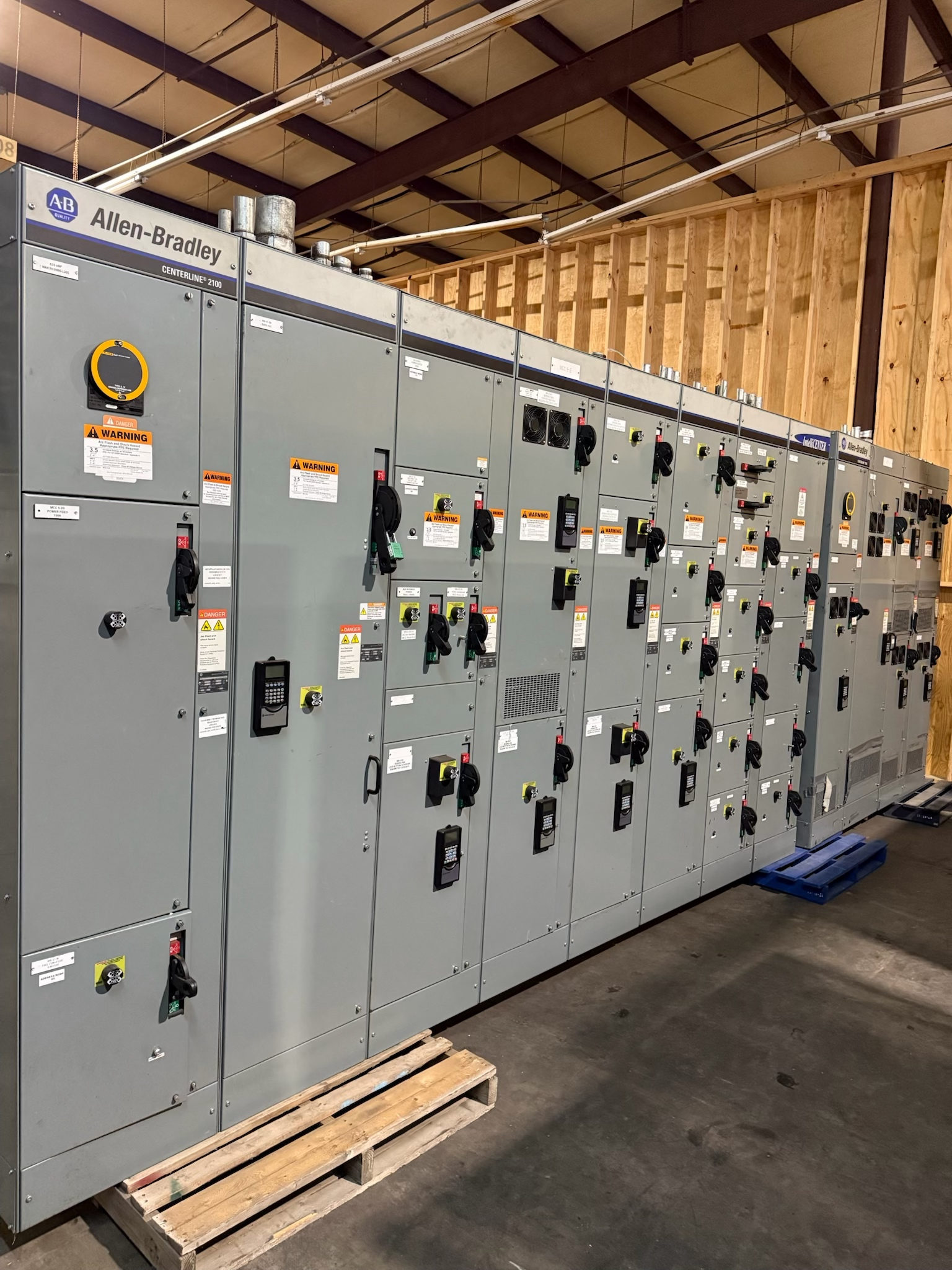
Why Quotes for New Switchgear Can Differ
Two switchgear quotes can show different prices because they may describe different equipment, boundaries of supply, and delivery assumptions—not simply different costs for the same assembly. A quote is meaningful only in relation to the project’s electrical requirements, drawings, and purchasing scope. One proposal may include controls, metering, or specified testing while another excludes them or leaves them to others. Even when both vendors receive the same one-line diagram, details such as fault-duty requirements, incoming and outgoing connections, and future provisions can lead to different designs.
For a useful comparison, first determine whether each proposal addresses the same application and the same documents and revisions. Then identify differences in ratings, included components, exclusions, and schedule basis. This pricing and quote FAQ explains what to check before treating a lower total as equivalent.
Ratings Must Match the Application
The electrical ratings are major cost drivers, but a number on a quote should not be considered acceptable in isolation. Confirm the required voltage, continuous current, short-circuit withstand or interrupting requirements as applicable to the equipment, and the system conditions used for selection. The project’s available fault current, protective-device coordination, grounding arrangement, and source configuration may affect the design. The applicable standards also depend on equipment type and project requirements; UL 891 applies to suitable switchboard assemblies, not automatically to every form of switchgear.
Check that bidders used the same approved one-line diagram, utility or source information, and specification revision. If a required value or study is pending, ask whether the quote is conditional and what must be verified before release. Qualified electrical professionals and relevant authorities must review the selection. Never compare ratings as interchangeable without confirming their meaning, basis, and suitability for the installation.
Accessories and Design Choices Change Scope
Accessories can materially change both equipment configuration and quote value. Examples include metering, protective relays, control power provisions, communications interfaces, surge protective devices, spare or future provisions, and special connection arrangements. None should be assumed included merely because it appears on a project drawing or is common in another installation. Ask each supplier to identify the specified accessories included, optional items priced separately, and requirements that remain unresolved.
Mechanical and electrical design choices matter as well: the arrangement of sections, cable entry and termination space, bus connections, enclosure requirements, and access or environmental conditions all need project review. Confirm the required installation location and any constraints that affect dimensions or access. These choices should follow approved project documents, not a generic assumption about what a standard lineup contains. Changes made after quote review can alter engineering, materials, and schedule.
Read Exclusions and Interfaces Closely
Exclusions explain where a supplier’s responsibility ends, so compare them as carefully as the quoted equipment. Clarify whether the proposal includes drawings, specified routine or factory testing, documentation, packaging, freight, and any requested accessory or special construction. The quote should state what is not included rather than leaving the customer to infer scope. Installation, field connections, commissioning, and other site work should not be assumed to be part of an equipment quote; verify the written scope.
Map interfaces with the project team: incoming and outgoing conductors, bus or cable transitions, control wiring, communications, protective-device settings, and connections to adjacent equipment. Identify who provides each item and who supplies the information needed for design. If coordination or testing is requested, define its scope, acceptance criteria, and documentation. A clear responsibility matrix helps reveal why prices differ and reduces the risk of late changes, duplicated purchases, or gaps between suppliers.
Delivery Assumptions and Schedule Basis
Delivery language can make two otherwise similar quotes look more comparable than they are. Check whether the stated timing begins after order, receipt of approved drawings, resolution of technical questions, or another milestone. Confirm whether the proposal assumes timely customer approvals, complete specifications, and no design changes. A lead-time estimate is project-dependent and should be treated as an assumption, not a guaranteed arrival date unless the written terms say so.
Ask what shipment scope and destination basis the quote uses, how packaging and freight are handled, and whether the schedule includes only equipment shipment or other milestones. For projects in Austin or elsewhere in Central Texas, provide the actual delivery location and any receiving, access, or coordination constraints early. A US-built assembly using all-American components may be supplied with nationwide shipping, but project-specific timing and logistics still require confirmation. Do not infer local manufacturing or site service from a supplier’s service area.
Build an Apples-to-Apples Quote Review
Before selecting a proposal, prepare one comparison set: current one-line diagram, equipment specification, available system and fault-current information, load and circuit schedule, site and enclosure requirements, accessory list, and requested testing or documentation. Mark unresolved values and ask bidders to state their assumptions. Compare the quoted ratings and configuration against the same documents, then make a side-by-side record of inclusions, exclusions, interfaces, delivery basis, and separately priced options.
For a custom assembly, submit the intended application and project requirements for technical review before placing an order. Request written clarification for every deviation, omitted item, or conditional rating, and circulate changes to the engineer and other responsible reviewers. Verify applicable standards and any required listing for the specific assembly rather than assuming them from a product category. This process explains quote differences, supports a defensible selection, and gives procurement a clearer basis for aligning scope, approvals, and schedule.
Project specification checklist
Use this checklist to organize the details for a project-specific review. Final ratings, applicable standards and equipment selections depend on the approved design.
| Item | What to confirm |
|---|---|
| Electrical ratings | Confirm voltage, current, fault-duty basis, system configuration, and any conditions still requiring study or verification. |
| Accessories and provisions | Record included, optional, and excluded metering, protection, controls, communications, and future provisions. |
| Design and interfaces | Confirm section arrangement, enclosure needs, cable or bus connections, control interfaces, and responsibility for each connection. |
| Testing and documentation | Specify required test scope, acceptance criteria, drawings, records, and which party provides each deliverable. |
| Exclusions and shipment | Review site work, packaging, freight, destination, receiving constraints, and shipment scope in the written proposal. |
| Schedule assumptions | Identify the lead-time starting milestone, approval dependencies, open technical inputs, and treatment of design changes. |