Lead Time Starts With a Complete Project Definition
For a new switchgear project, lead time is not a single production interval. It reflects the work needed to turn an electrical requirement into an approved, engineered assembly, obtain the necessary components, complete applicable checks, and coordinate shipment. The schedule can change when the scope or site interfaces remain uncertain. For a useful quote, provide the intended application, project location, required in-service date, and the latest electrical specifications and drawings available. Identify whether the equipment is for a new installation, an expansion, or a replacement, since that context affects interfaces and decisions that must be resolved.
Treat any initial schedule as dependent on review rather than a guaranteed delivery date. Missing information may lead to assumptions in a proposal; later corrections can require revised drawings, changed materials, or resequenced work. Ask which inputs are firm, which remain under review, and what milestones the proposed schedule includes.
Engineering Scope and Ratings Drive Design Work
The equipment type and electrical duty shape engineering effort. The quote review needs the system voltage, bus and feeder requirements, load and protective-device information, available fault-current data, grounding approach, and the intended operating arrangement. These values must be checked against the project design; no amperage, interrupting duty, or other rating should be presumed acceptable without qualified review. Physical constraints matter too: lineup dimensions, cable entry and exit, access clearances, room conditions, and connection points can affect enclosure and assembly choices.
Custom assemblies to specification require decisions to be sufficiently settled for design release. Confirm the one-line diagram, equipment schedule, control and metering needs, and any required separation or future provisions. If studies or coordination with other equipment are still in progress, identify who owns those decisions and when information is expected. Applicable standards and any listing requirements depend on the equipment design and project; UL 891 applies to suitable switchboards, not automatically to every switchgear assembly.
Approvals and Interface Reviews Can Affect the Schedule
Engineering drawings may need review by the owner, consulting engineer, contractor, utility, or authority having jurisdiction, depending on the project. The quote should clarify which submittals are expected and who must approve them. Review cycles, consolidated comments, and time to resolve exceptions all influence when production can proceed. Applicable approval processes vary, so confirm them with the project team rather than assuming a particular agency or utility review applies.
Interfaces deserve particular attention before design approval. Check incoming and outgoing cable arrangements, conduit locations, grounding connections, control wiring, communications, metering, and coordination with transformers or downstream equipment where relevant. A late change to a connection point or protection requirement can trigger drawing revisions and affect components already selected. Assign a responsible reviewer for each interface and provide current documents, revision dates, and a clear route for resolving conflicting information.
Component Selection and Procurement Shape the Build Window
Component lead times vary with the specified devices, materials, and design choices, as well as their status when the order is released. The proposal should identify the basis of design and any approved alternatives, where applicable, so the project team can understand what must be procured. Do not assume a particular component is available or interchangeable. Changes to breakers, relays, meters, control features, or other specified items may require technical review and could alter the schedule.
A prompt, complete purchase release supports procurement planning, but it does not eliminate supplier or specification dependencies. Confirm which documents, selections, and approvals are prerequisites to release and whether any customer-furnished items or interfaces are involved. If a project has an immovable milestone, state it early and ask how the proposed design and procurement sequence relate to it. Short lead times may be possible depending on project scope and component requirements; timing must be evaluated for the specific order.
Testing, Documentation, and Shipping Need Clear Scope
The schedule also depends on what checks and documentation the project requires. Confirm applicable design and production checks, inspection or witness expectations, test records, and submittal formats with the manufacturer and project engineer. Testing requirements depend on equipment type, design, and governing standards; do not assume a particular test or certification is included. If witness testing or third-party review is requested, agree on scope, notice, participants, and documentation before the production plan is finalized.
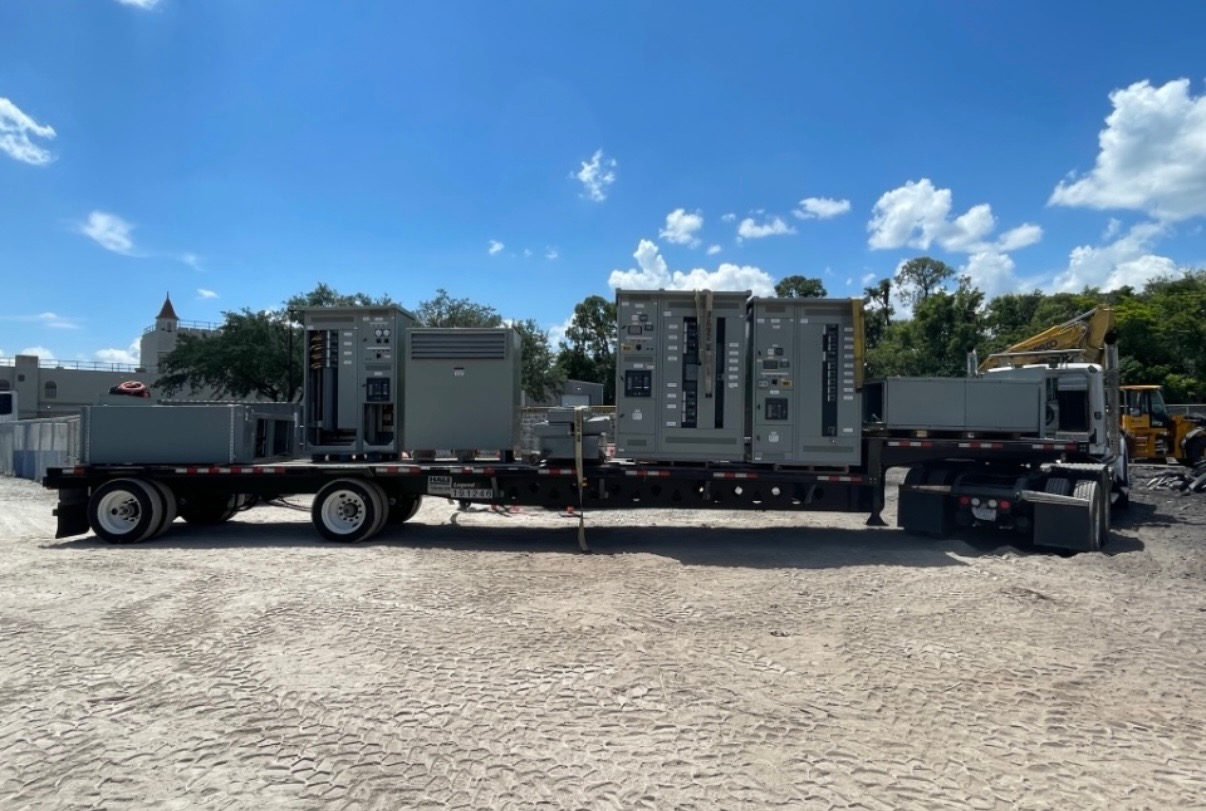
Shipping adds coordination beyond transit time. Confirm the delivery destination, receiving contact, access constraints, unloading responsibility, and any restrictions on delivery timing or packaging. Nationwide shipment is available, but route, carrier arrangements, and project readiness affect logistics. Align the planned ship window with site storage and installation sequencing, without treating shipment as installation or assuming site services are included. Changes to destination or receiving conditions after shipment planning may require new coordination.
Build a Quote Request That Helps Set Expectations
To make a pricing and quote request actionable, send the one-line diagram, equipment specifications, load and fault-current information, layout or room drawings, cable and conduit details, control requirements, and applicable project standards or submittal criteria. Include the requested delivery milestone, destination, review participants, and any known approval or witness requirements. Mark unresolved items clearly rather than filling gaps with guesses. The manufacturer can then identify assumptions, exceptions, and decisions that affect engineering and procurement before the scope is finalized.
Ask for the schedule basis in writing: what event starts the quoted lead-time period, which approvals or documents are outstanding, what milestones are included, and which customer decisions could change the date. Confirm how revisions will be handled and who will consolidate comments. A US-built assembly using American components can still have timing shaped by its exact design and project conditions. Qualified electrical professionals and relevant authorities should review the design and applicable requirements before release.
Project specification checklist
Use this checklist to organize the details for a project-specific review. Final ratings, applicable standards and equipment selections depend on the approved design.
| Item | What to confirm |
|---|---|
| Electrical design inputs | Provide system voltage, load and fault-current data, grounding approach, protection requirements, and current one-line documents for qualified review. |
| Physical and electrical interfaces | Confirm dimensions, cable entry and exit, connection points, clearances, controls, and coordination with adjacent equipment. |
| Approval path | Identify required drawing reviewers, applicable authorities, submittal expectations, and approval responsibilities. |
| Components and release | Document required devices, approved alternatives if permitted, unresolved selections, and prerequisites for procurement release. |
| Testing and records | Specify applicable checks, inspection or witness expectations, and required test documentation for the project. |
| Delivery coordination | Confirm destination, receiving contact, access and unloading constraints, delivery window, and site readiness. |