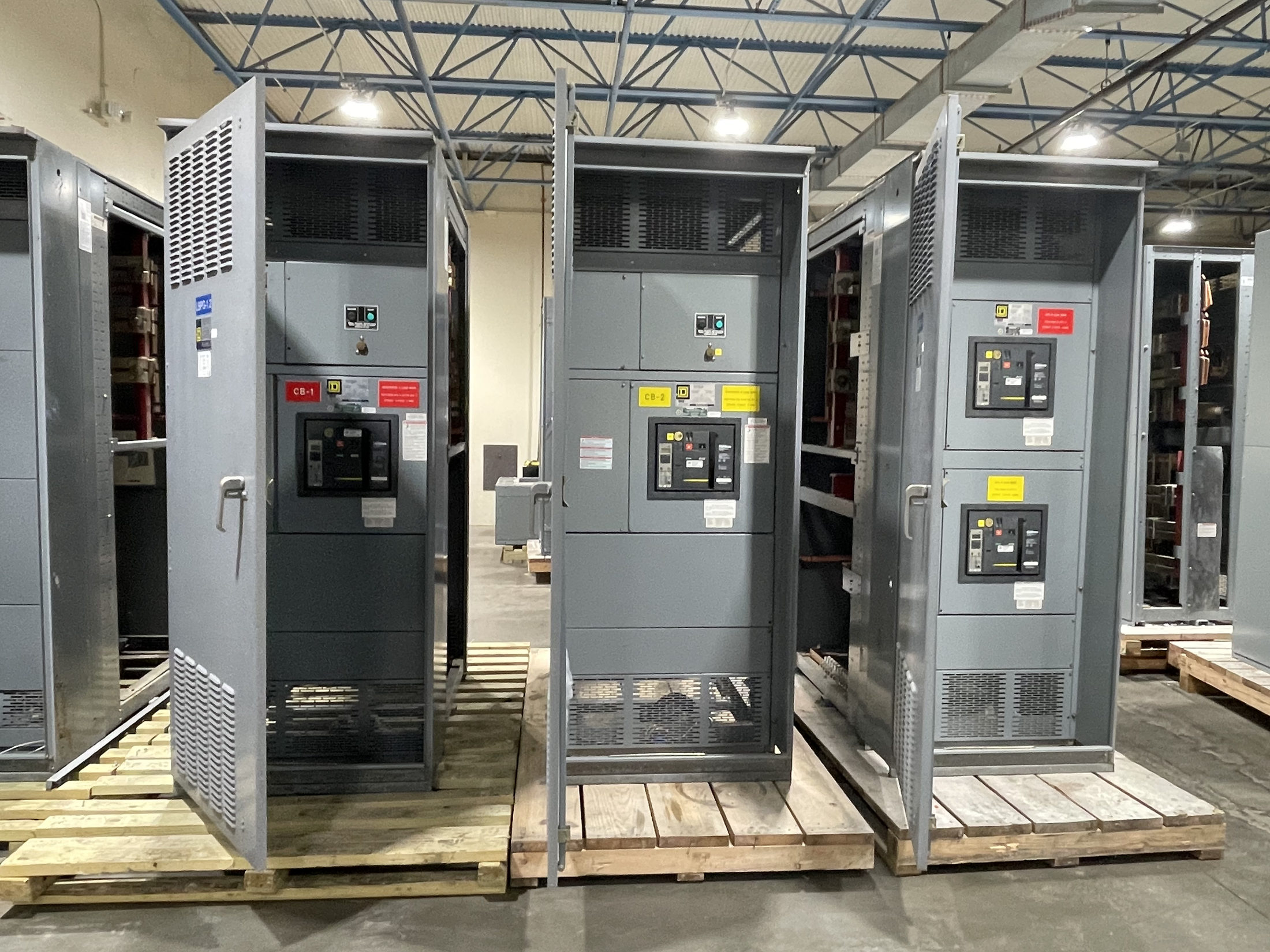
Treat a Requested Change as a Controlled Project Revision
After an order is placed, a change to new switchgear should be handled through a documented review rather than an informal assumption that the original quote still applies. A requested revision may affect the equipment design, included components, interfaces, procurement, or planned production sequence. The first step is to identify exactly what has changed and why, then compare it with the approved quotation, drawings, and project specifications. This process helps the manufacturer and customer determine whether the request is feasible and what decisions are still needed. No revised scope, price, or schedule should be treated as accepted until the change has been reviewed and approved by the appropriate project representatives.
The review applies whether the request comes from a revised electrical design, a site coordination issue, or a change in project requirements. A request is not confirmation that a particular configuration or rating is available or suitable.
Describe the Change and Its Design Consequences
A useful change request names the affected equipment and documents the proposed revision. Depending on the project, relevant inputs may include the latest one-line diagram, equipment schedules, specifications, approved drawings, and written clarification of the intended operating arrangement. Identify affected feeder or bus connections, upstream and downstream equipment, protection and control needs, metering, and any physical or electrical interfaces. Explain which items must remain unchanged and which decisions are open. This gives qualified electrical professionals a basis to assess whether the requested design remains consistent with the application and project requirements.
Selection details must be verified for the specific assembly, including voltage, current, available fault conditions, environment, and enclosure needs where applicable. These are not universal capabilities; the project team must confirm suitability and applicable standards.
Check Interfaces Before Approving the Revision
Changes can affect more than the item named in the request. A revised breaker or control feature, for example, may require review of adjacent sections, protection coordination, metering, cable terminations, control wiring, or connections to other equipment. Physical dimensions and access clearances may also need coordination against the project layout. The manufacturer should identify the information needed to evaluate these interfaces, while the customer’s design team confirms the governing project requirements and resolves conflicts among drawings, specifications, and field conditions.
Where testing or inspection requirements are relevant, confirm whether the change affects the approved test plan, documentation, or applicable conformity requirements. UL 891 applies only to suitable switchboard assemblies; it should not be assumed to cover every switchgear design. Applicable standards and any listing must be verified for the specific equipment.
Review the Price and Commercial Scope
A post-order revision can change the quoted price because it may add or remove components, alter engineering or documentation work, require different materials, or affect work already released for procurement or production. The manufacturer should provide a revised commercial proposal that describes the changed scope and identifies any assumptions or exclusions. The customer should compare it with the original order and confirm which items are additions, deletions, substitutions, or unchanged. A price adjustment cannot be determined responsibly without knowing the requested design and the status of affected work.
Ask whether the revised proposal supersedes the relevant portion of the original quote and how taxes, freight, or other quoted terms are treated, if applicable. Do not rely on a verbal estimate as authorization to proceed. Obtain written agreement on the revised scope and commercial terms before releasing the change.
Confirm Schedule Effects and Approval Authority
Schedule impact depends on the nature and timing of the request, the design review required, and the status of affected materials and production activities. A revision made before work is released may have different consequences from one requested after procurement or fabrication has begun. The manufacturer should explain the expected effect on the project schedule after reviewing those conditions; a new date should not be assumed until it is confirmed. Coordinate any change with related equipment, construction sequencing, and required customer review milestones.
Establish who can approve technical revisions and commercial changes for both parties. Route the proposed change to the customer’s authorized project and electrical design representatives, and resolve open questions before approval. Written approval should identify the accepted revision and any confirmed schedule adjustment, so all parties work from the same basis.
Use a Clear Closeout Path for the Change
To move a request forward, send a concise change description with the reason, affected order or equipment reference, marked-up documents, and the date the revision is needed for project coordination. Include the latest relevant drawings and identify interface owners or unresolved decisions. The manufacturer can then review feasibility, request missing information, and return the proposed technical and commercial changes for approval. If the revision affects a specification or required standard, have the responsible electrical professionals and relevant authorities confirm the project requirement before acceptance.
After approval, ensure the revised documents, order scope, price, and schedule are aligned and distributed to the people coordinating design and procurement. For a US-built custom assembly, project-specific inputs determine the design and lead time; nationwide shipment is offered, but timing depends on the project. This documented path gives the team a practical record of what changed and what remains committed.
Project specification checklist
Use this checklist to organize the details for a project-specific review. Final ratings, applicable standards and equipment selections depend on the approved design.
| Item | What to confirm |
|---|---|
| Change description | Identify the requested revision, reason, affected equipment, and items that must remain unchanged. |
| Design inputs | Provide current specifications, drawings, schedules, and written operating requirements for review. |
| Interfaces | Confirm electrical, control, protection, physical, and adjacent-equipment coordination affected by the revision. |
| Price approval | Obtain written revised scope and commercial terms, including additions, deletions, assumptions, and exclusions. |
| Schedule and authorization | Confirm impacts after reviewing work status, then document approval by authorized project representatives. |