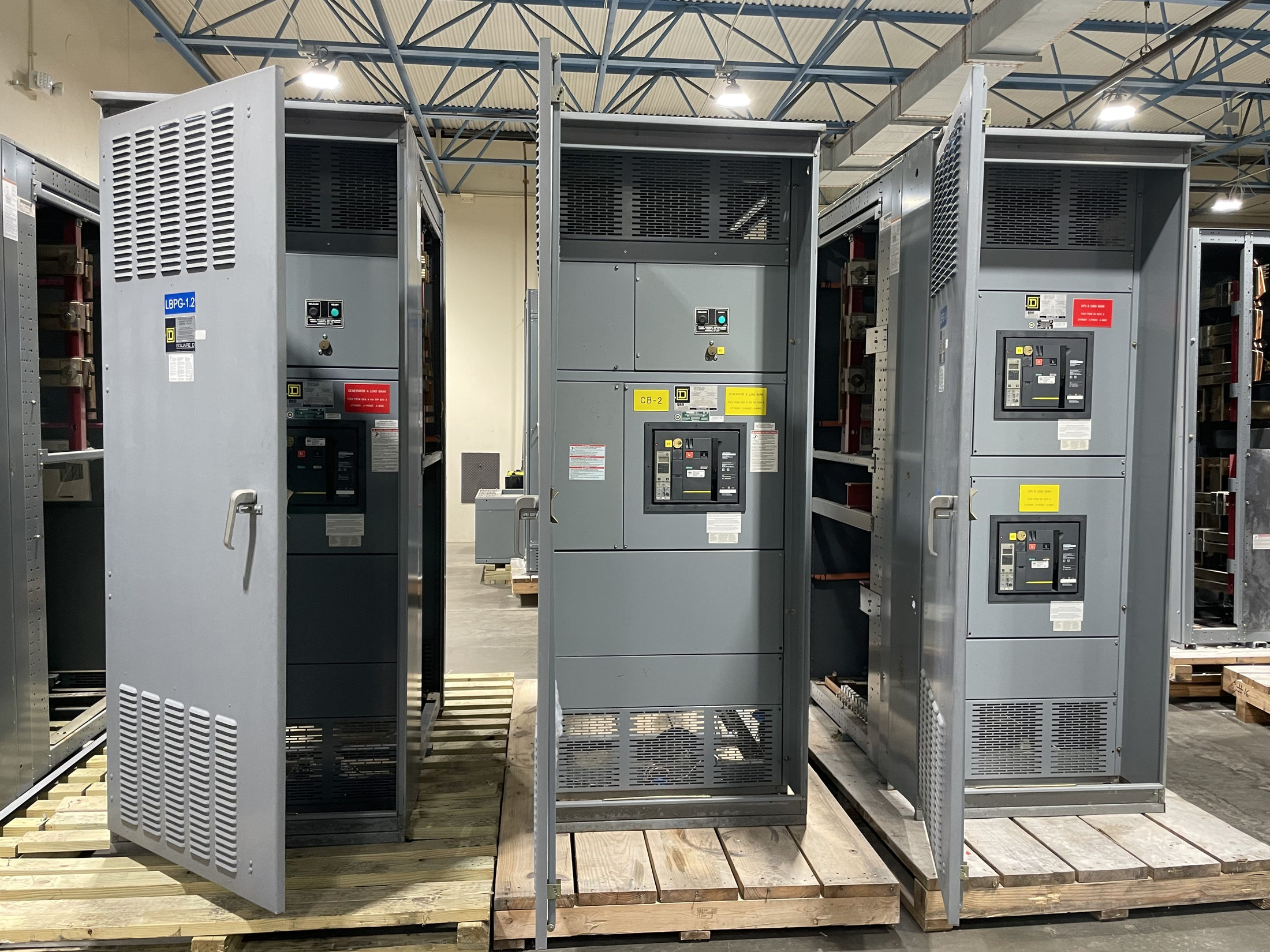
Why ambient temperature matters to switchgear ratings
Ambient temperature is the air temperature surrounding electrical equipment, not necessarily the temperature inside a cabinet or at an individual component. It matters because switchgear generates heat during operation, while its ability to release that heat depends partly on the conditions around it. A rating established for one set of environmental conditions may not apply unchanged at another. Temperature can affect the allowable continuous load, component performance, insulation life and operating margins; the outcome depends on the equipment design and applicable requirements.
For a new switchgear project, do not treat a nameplate rating as independent of its installation environment. The design team needs the expected operating conditions and the equipment documentation to determine whether ratings remain applicable or require a different design. This is a project-specific engineering review, not a reason to apply a generic adjustment factor. Qualified electrical professionals should confirm suitability against the complete specification and applicable authorities.
Describe the actual installation environment
Provide more than a single room-temperature estimate. Useful inputs include the expected minimum and maximum ambient temperatures, typical operating conditions, duration and frequency of extremes, and whether the equipment is indoors or exposed to outdoor conditions. Identify nearby heat sources, direct solar exposure, ventilation patterns, altitude where relevant to the design, dust or moisture concerns, and whether the installation is in a conditioned space. Seasonal variation and changes in building operation can make the long-term environment different from conditions observed during a site visit.
Clarify where the temperature information comes from and how representative it is. For example, distinguish measured room conditions from design assumptions, and identify whether a measurement was taken near the intended equipment location. If the electrical room shares space with other heat-producing equipment, explain expected operating overlap. These details help the manufacturer evaluate the proposed assembly and identify missing inputs before design decisions are finalized; they do not establish a particular equipment capability by themselves.
Match ratings to the complete equipment design
Temperature review applies to the assembled equipment and its components, not just the switchgear label. The design team may need to consider bus and connection heating, breakers or other protective devices, insulation systems, control components, terminals, and enclosure heat dissipation. The proposed current rating, loading profile, arrangement, and component selections all matter. A rating for an individual component does not automatically establish the rating of the completed assembly under the project’s environmental conditions.
Ask which environmental conditions and assumptions apply to the offered design, and whether the stated ratings are based on those conditions. Any needed rating limitations or design changes should be identified in the project documents. Do not assume that a higher nominal rating, a particular enclosure, or a familiar product configuration resolves a temperature concern. The applicable standards and any listing depend on equipment type and design; UL 891 applies to suitable switchboard assemblies, not automatically to every form of switchgear.
Consider enclosure, ventilation and heat sources
An enclosure changes the path by which internally generated heat leaves the equipment. Its material, dimensions, arrangement, openings, installation clearances and surrounding airflow can affect operating temperatures. Ventilation choices also interact with environmental exposure, maintenance needs and the project’s protection requirements. For that reason, enclosure type and thermal approach must be evaluated together with the site conditions and the specified equipment, rather than selected by a general rule that more openings or a larger cabinet will always solve the issue.
Include the equipment-room layout and neighboring heat sources in the design discussion. Confirm whether the switchgear will be near transformers, drives, heaters, other switchgear or building services that could influence local temperatures. Also identify any constraints on room cooling or air movement. If the equipment arrangement or room design changes after the initial review, revisit the thermal assumptions; a previously reviewed configuration may no longer represent the final installation.
Coordinate specifications, interfaces and verification
Temperature assumptions should be consistent across the equipment specification, one-line diagram, load information, room or enclosure drawings, and component requirements. Coordinate with the design engineer, equipment manufacturer, facility team and other parties responsible for the installation environment. Confirm who supplies room cooling or ventilation, how control-power and auxiliary devices are included, and whether future loading or operating changes are anticipated. Resolve discrepancies before release for manufacture so design intent and equipment ratings are not evaluated against conflicting conditions.
Review the manufacturer’s submittal for the environmental assumptions, applicable ratings, selected components and any stated limitations. Testing or design verification should correspond to the actual assembly and the requirements applicable to that equipment; do not infer a test result or listing from a different configuration. Final suitability remains subject to project review by qualified electrical professionals and relevant authorities. UL 891 or other standards should be cited only when applicable to the proposed design and confirmed in the documentation.
Practical next steps for a new equipment request
When requesting new switchgear, send the expected ambient-temperature range and its source, installation location, indoor or outdoor conditions, room or enclosure drawings, loading profile, and known heat sources. Include the requested electrical ratings, equipment type, component or protective-device requirements, and any applicable project standards. If key information is not yet established, flag it as an open design item rather than presenting an assumption as a confirmed requirement. This gives the manufacturer a clear basis to review the proposed assembly and identify questions that could affect selection or schedule.
Before approving the design, compare the submitted configuration with the final site conditions and resolve any rating qualifications with the project engineer. Confirm whether later changes to cooling, layout, loading or enclosure details require a renewed review. A US-built assembly using all-American components can be custom-designed to specification and shipped nationwide, with lead time determined by the project; neither origin nor customization replaces environmental verification. A focused temperature review helps align procurement documents with the equipment’s intended application.
Project specification checklist
Use this checklist to organize the details for a project-specific review. Final ratings, applicable standards and equipment selections depend on the approved design.
| Item | What to confirm |
|---|---|
| Ambient conditions | Confirm expected minimum and maximum temperatures, operating duration, seasonal variation and data source. |
| Installation location | Identify indoor or outdoor placement, room conditions, altitude where relevant, and exposure to sun, dust or moisture. |
| Heat and airflow | Document nearby heat sources, ventilation, cooling provisions, clearances and equipment-room layout. |
| Electrical application | Provide equipment type, load profile, requested ratings, protective-device requirements and expected future changes. |
| Assembly and standards | Confirm enclosure and component requirements, applicable standards, rating assumptions and any relevant listing in the project documents. |
| Design review | Reconcile specifications, drawings and submittals; have qualified electrical professionals and relevant authorities review suitability. |