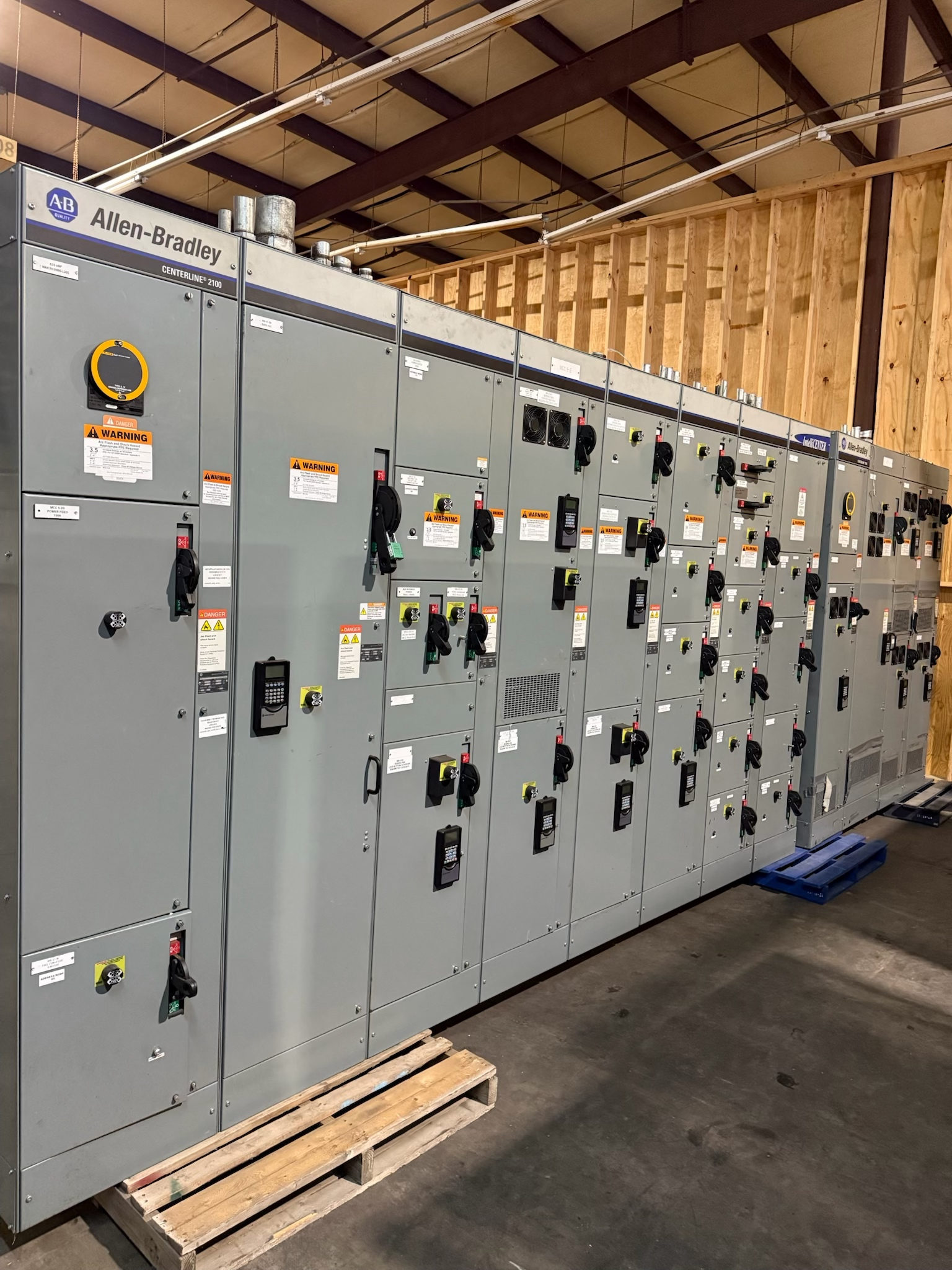
Start with the actual exposure
Corrosion exposure considerations begin with the environment where new switchgear will operate—not simply whether equipment is indoors or outdoors. Moisture, airborne chemicals, salt, dust, and residues can affect enclosure surfaces, doors, hardware, bus compartments, and connected components differently. Identify the room or outdoor location, nearby processes, cleaning practices, and likely sources of contaminants before selecting an enclosure design or finish. A room described as clean may still experience washdown, condensation, or chemical vapors during particular operating or maintenance conditions.
Describe normal conditions as well as credible exceptions: seasonal humidity, temperature changes, process upsets, leaks, cleaning cycles, and periods when ventilation is reduced. Provide available environmental assessments or facility standards, but distinguish measured data from assumptions. These inputs help the design team judge which details require clarification and whether the proposed equipment arrangement is compatible with the site's exposure. Final selection requires review by qualified electrical professionals and relevant authorities.
Identify contaminants and moisture pathways
The type and route of exposure matter. Chlorides, acids, alkalis, sulfur-bearing compounds, industrial fumes, and cleaning agents may interact differently with metals, coatings, labels, seals, and cable-entry materials. Include product names or safety data where available, expected concentrations or exposure patterns if known, and whether contaminants arrive as vapor, splash, spray, deposits, or airborne particulate. Avoid relying on a general label such as “corrosive area” when process details can be provided.
Humidity alone does not describe the risk. Explain whether condensation is possible on cold surfaces, whether water can collect at the floor or enclosure top, and how doors, vents, conduits, and cable entries relate to drainage or washdown. Note nearby steam, cooling equipment, roof penetrations, and pressure washing. These conditions inform enclosure and environmental design, but no enclosure type or protective feature should be presumed suitable until the actual exposure and project requirements are reviewed.
Select enclosure and finish as a system
Enclosure material and finish should be considered together with seams, fasteners, hinges, latches, nameplates, gasketing, and field modifications. A finish that performs well on a panel surface may not protect a cut edge, damaged area, or dissimilar-metal interface. Ask what surface preparation and coating system are specified, how edges and hardware are addressed, and what repair method is permitted if coating is damaged during handling or installation. The appropriate choices depend on contaminant chemistry, moisture, exposure duration, and the assembly design.
Document required enclosure construction, environmental conditions, and any facility finish preferences in the equipment specification. Confirm whether doors must be opened frequently, whether external labels remain legible after cleaning, and whether cable-entry locations can be coordinated to avoid water paths. Do not infer a corrosion rating, enclosure suitability, or coating performance from appearance alone. Request the applicable product and finish documentation for the proposed design, then have the responsible electrical and facility professionals determine whether it meets the project criteria.
Coordinate interfaces and installation conditions
Corrosion protection can be undermined at interfaces that are outside the main enclosure surface. Coordinate conduit and cable materials, entry hubs, bonding connections, supports, mounting hardware, adjacent equipment, and floor or housekeeping-pad details. Identify dissimilar metals and any required separation or compatible transition components for design review. The equipment specification should make clear who is responsible for field-applied coatings, sealing, touch-up, and restoring protection after drilling or other approved modifications.
Share site exposure information with the switchgear manufacturer early, including room layouts, connection drawings, process equipment nearby, and installation constraints. Confirm that shipping, staging, and temporary storage will not expose assemblies to rain, condensation, construction dust, or corrosive work before they are installed. Review interface responsibilities among the equipment supplier, electrical contractor, facility team, and other project parties. This coordination helps prevent gaps between factory design assumptions and site conditions; it does not replace review of the final installation by qualified professionals.
Address verification, inspection, and maintenance
Before procurement, agree on what evidence is needed to verify the specified enclosure materials and finish, such as submittal documentation, finish descriptions, and inspection criteria. Any testing or acceptance checks should be selected for the actual design and project requirements; do not assume a particular corrosion test, rating, or standard applies to every switchgear assembly. Review whether inspection can reach concealed surfaces and interfaces, and establish how observed damage or coating defects will be evaluated and corrected before energization.
Plan maintenance around the contaminants and access conditions rather than assuming the finish eliminates inspection needs. Define who will inspect exposed surfaces, seals, hardware, labels, and cable-entry areas; how often inspections occur; and what cleaning products and methods are compatible with the documented finish. Include safe isolation and qualified personnel requirements in maintenance planning; do not work on energized equipment. Keep records of exposure changes, cleaning agents, repairs, and recurring corrosion so future condition reviews can distinguish a one-time defect from an environmental design issue.
Prepare a procurement-ready exposure package
A useful request for quotation gives suppliers enough information to evaluate the application without guessing. Provide the equipment scope and location, contaminant descriptions, humidity and condensation history, washdown or cleaning details, indoor or outdoor conditions, interface materials, and facility requirements for coatings or documentation. Attach available drawings and identify uncertain inputs explicitly. Ask the supplier to state assumptions, proposed enclosure and finish details, exclusions, and information still needed for design review. Custom assemblies can be developed to project specifications, but suitability and applicable standards must be confirmed for the particular design.
Before release, have the project team reconcile the exposure package with the electrical one-line, equipment layout, cable schedules, and maintenance plan. Confirm who approves material substitutions, field touch-up procedures, and changes in cleaning products or process chemistry. For Austin and Central Texas projects, coordinate delivery sequencing and protected staging with the site team; nationwide shipping is available, while timing depends on project requirements and confirmation. These steps give procurement a clear basis for comparing compliant proposals and resolving exposure questions before equipment details are finalized.
Project specification checklist
Use this checklist to organize the details for a project-specific review. Final ratings, applicable standards and equipment selections depend on the approved design.
| Item | What to confirm |
|---|---|
| Contaminant profile | List chemicals, salts, particulates, and cleaning agents, including exposure form and available concentration or safety data. |
| Moisture conditions | Document humidity, condensation, leaks, washdown, drainage, temperature changes, and seasonal or process variations. |
| Enclosure and finish | Confirm required construction, material, coating description, edge and hardware treatment, and supporting documentation. |
| Interfaces | Identify conduit, cable entries, supports, fasteners, bonding, adjacent metals, and responsibility for field modifications or touch-up. |
| Maintenance plan | Specify inspection access, cleaning methods, compatible products, inspection responsibility, and repair-record practices. |
| Submittal and acceptance | Agree on design assumptions, applicable project standards, documentation, review parties, and any project-specific verification criteria. |