Start with the contaminants and exposure
Dust and debris protection begins with what the equipment will encounter, not with an enclosure label chosen in isolation. For new switchgear, identify whether exposure comes from ordinary airborne dust, process residue, construction debris, fibers, moisture carried with particles, or occasional cleaning. Note where contaminants originate, how often they are present, and whether they settle, circulate, or enter during maintenance. These distinctions influence enclosure design and operating practices; they do not establish a rating by themselves.
Document the equipment location and its surroundings, including indoor or outdoor placement, nearby processes, room cleanliness, temperature variation, and expected access. Describe abnormal conditions as well as normal operation, such as renovation work or seasonal dust intrusion. Qualified electrical professionals can use this information to evaluate suitable environmental protection and applicable requirements. A design decision should reflect the actual site and project specification, not a broad assumption that one enclosure approach fits every installation.
Balance ingress protection with heat removal
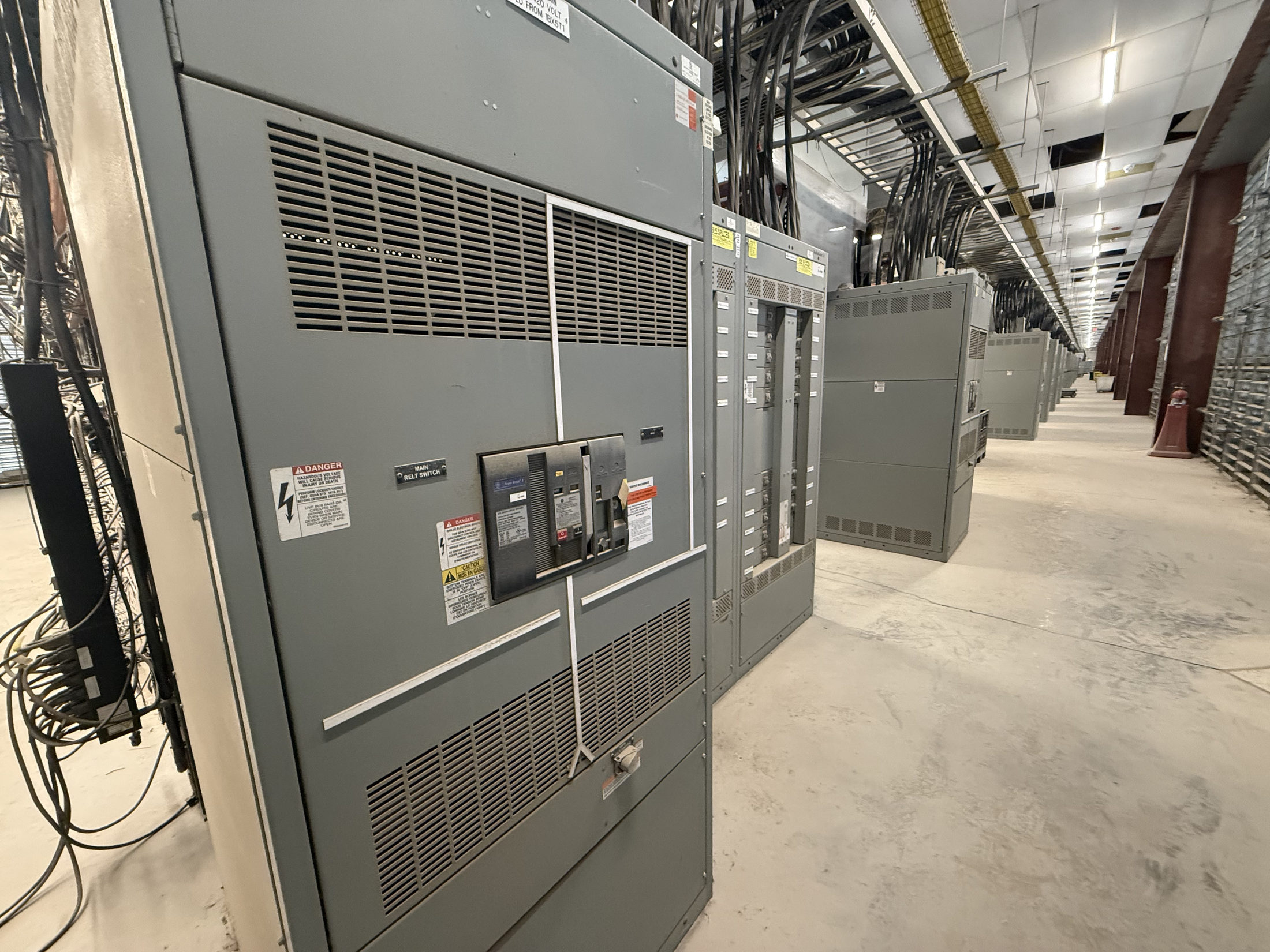
Enclosures limit unwanted entry, while electrical equipment produces heat that must be managed. Vent openings, filters, louvers, or other airflow paths can help remove heat, but may also create routes for dust or debris. A more enclosed arrangement can reduce direct exposure yet change internal temperature conditions. The appropriate balance depends on the equipment configuration, loading, ambient conditions, allowable operating limits, and the selected cooling method.
Ask the design team to evaluate thermal performance with the proposed enclosure and ventilation details together. Consider whether filters require inspection or replacement, whether airflow can be obstructed, and how maintenance access will be provided. Do not assume that adding a filter or closing an opening preserves the equipment’s thermal suitability. Enclosure type, ventilation strategy, and electrical ratings require project-specific verification; the manufacturer’s design review should use the applicable drawings and operating assumptions.
Specify the enclosure for the actual location
Environmental design choices can include enclosure construction, door and panel interfaces, seams, cable-entry arrangements, ventilation features, and provisions for service access. Their suitability depends on the expected contaminants and installation conditions. For example, cable entry from below may encounter different debris exposure than entry through a protected room wall, while frequent door access can affect how consistently the enclosure is closed. Identify these interfaces early so the equipment layout and site arrangement can be coordinated.
State any required environmental classification or project standard explicitly, then have qualified professionals confirm its applicability to the equipment and installation. A designation should not be treated as proof of protection against every kind of dust, nor as a substitute for reviewing openings, penetrations, and operating conditions. Any UL 891 consideration applies only to suitable switchboard assemblies; it does not automatically determine enclosure suitability or apply to every switchgear type. Applicable standards depend on the design and project.
Coordinate room, wiring, and maintenance interfaces
The enclosure is only one part of the environmental boundary. Coordinate equipment placement with room openings, nearby ducts, floor conditions, cable trenches, overhead work, and adjacent processes that could introduce dust or debris. Confirm cable routing and entry locations, required working and service clearances, door swing, and access for inspection. Where other equipment or building systems affect airflow or cleanliness, identify the responsible design parties and resolve interface assumptions before drawings are finalized.
Maintenance planning matters because protection can change when doors are opened, filters are removed, or construction is underway nearby. Define who will inspect ventilation components and how the equipment will be protected during installation and later site work. These plans should be established by the project team rather than assumed to be included with equipment supply. Review the layout, wiring interfaces, environmental requirements, and operating conditions with qualified electrical professionals and relevant authorities.
Review design evidence and test scope
A useful design review connects the written environmental requirement to the proposed enclosure details and thermal approach. Ask which project assumptions were used, what openings or ventilation paths are included, and how cable entries and access points are addressed. Where applicable, confirm what standards or evaluations govern the specific assembly. Do not infer a listing, test result, dust-ingress rating, or performance under site conditions unless it is documented for the actual design.
Coordinate inspection and testing expectations before procurement. The project specification may call for particular documentation, examination, or testing, but those requirements depend on equipment type and project scope. Review discrepancies among the equipment specification, electrical drawings, room plans, and environmental criteria while changes can still be incorporated. Final acceptance and installation decisions remain subject to review by qualified professionals and relevant authorities; no enclosure selection replaces safe work practices or site-specific verification.
Prepare a procurement package that answers the key questions
For a practical quotation and design review, provide the one-line diagram and equipment schedule alongside environmental requirements, location details, ambient conditions, expected contaminants, cable-entry preferences, and ventilation constraints. Include the intended installation arrangement and any project standards or submittal requirements. Flag unresolved items instead of assigning unverified ratings. This gives the manufacturer a clearer basis to assess enclosure choices, thermal considerations, interfaces, and whether a proposed assembly can meet the project specification.
Before release, confirm the selected design, applicable ratings and standards, enclosure details, ventilation and maintenance plan, and interface drawings with the project’s qualified electrical professionals. The manufacturer builds new equipment in the USA using all-American components, can develop custom assemblies to specification, and can ship nationwide. Lead times are determined by the project. For an Austin or Central Texas project, coordinate delivery assumptions, site access, and construction sequencing with the project team; do not presume a local facility or installation service.
Project specification checklist
Use this checklist to organize the details for a project-specific review. Final ratings, applicable standards and equipment selections depend on the approved design.
| Item | What to confirm |
|---|---|
| Contaminants and exposure | Identify particle types, sources, frequency, moisture presence, and expected conditions during construction and operation. |
| Location and ambient conditions | Confirm indoor or outdoor placement, temperature assumptions, nearby processes, room conditions, and equipment surroundings. |
| Enclosure and openings | Review doors, seams, cable entries, ventilation paths, access points, and any specified environmental classification for the actual design. |
| Thermal management | Verify heat-removal approach and operating assumptions with the proposed enclosure, loading, ambient conditions, and maintenance plan. |
| Interfaces and submittals | Coordinate room layout, cable routing, access, applicable standards, requested documentation, and project-specific inspection or test scope. |