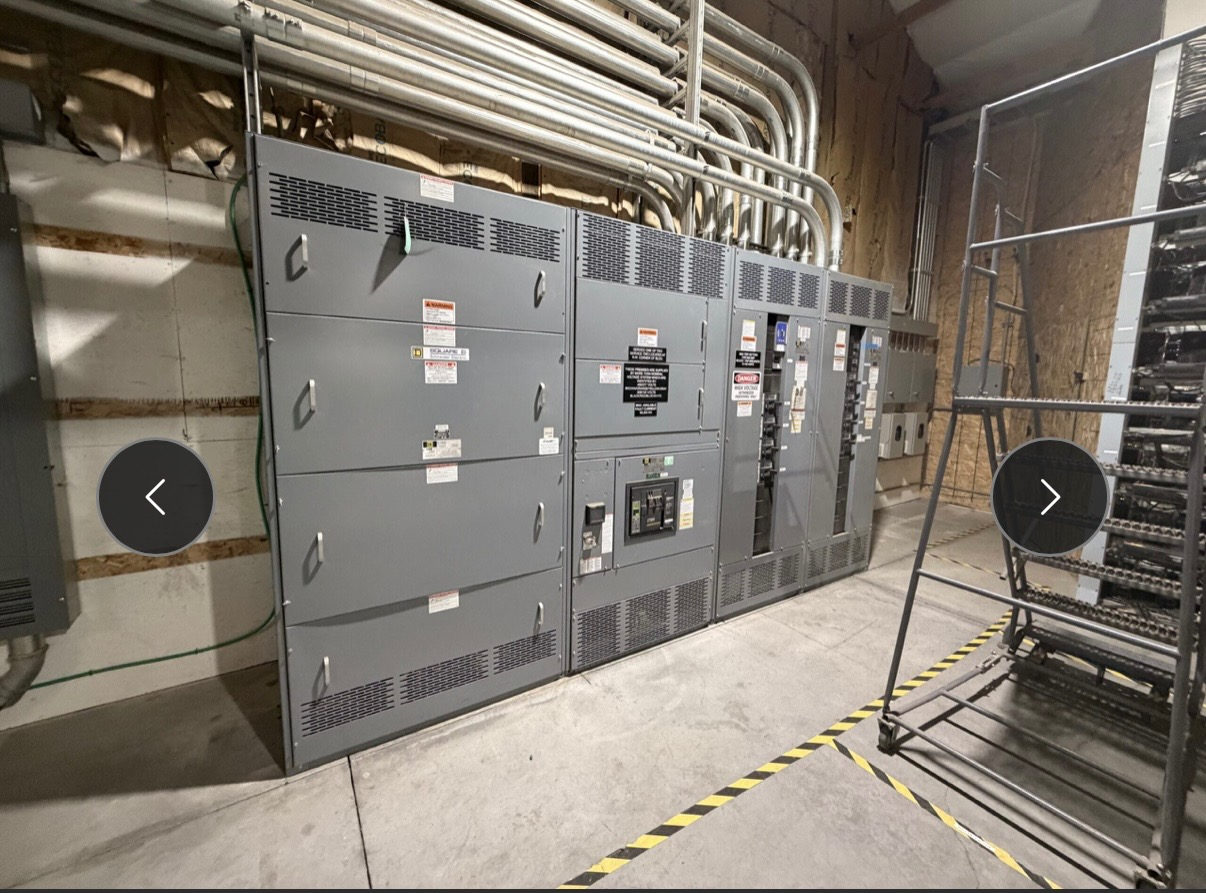
Start with the installation environment
An enclosure type rating is a selection input for new switchgear, not a substitute for understanding where and how the equipment will be installed. Describe whether the assembly will be indoors or outdoors, the surrounding conditions, and the exposure it may face during normal operation or maintenance. Relevant factors can include rain, dust, washdown, corrosive substances, condensation, temperature variation, and physical contact. Identify the room or outdoor location, nearby processes, and any environmental controls that affect exposure.
Do not choose a rating from a brief label such as “indoor” or “weatherproof.” A rating’s meaning and applicability depend on the governing standard and the particular equipment design. The project team should identify the intended enclosure classification and verify that it addresses the actual exposure, while qualified electrical professionals and relevant authorities review the complete installation.
Translate site conditions into rating requirements
Document credible exposure scenarios rather than relying on a general description of the site. For example, distinguish occasional dripping from directed spray, ordinary dust from conductive contamination, and ambient moisture from persistent condensation. Note cleaning methods, chemicals, nearby heat sources, elevation or other location conditions when they affect design, and whether the equipment is accessible to the public or operating personnel. These details help determine which enclosure type is appropriate under the applicable standard.
The required rating must be checked against the equipment’s intended use and construction. Do not assume that a rating, material, or environmental feature is available across every switchgear configuration. Nor should a rating be treated as proof of suitability for a hazard it does not address. Identify any special environmental or safety requirements in the project specification and resolve them with the design team before equipment is finalized.
Check interfaces and installation details
Enclosure selection affects more than the cabinet exterior. Confirm how conduits, cable entries, bus connections, ventilation, drainage, doors, and access panels interact with the intended environmental protection. Record entry locations and orientations, cable sizes or routing constraints, required working clearances, and whether field modifications are anticipated. Openings or modifications can affect the enclosure’s performance, so responsibilities for design, fabrication, and field work should be clear before release.
Coordinate the enclosure with the room or outdoor structure, foundations, equipment lineup, and adjacent electrical systems. Consider how doors can open, how operators will reach controls, and how maintenance access will be preserved without exposing equipment to unsuitable conditions. If the assembly has multiple sections or transitions between compartments, clarify whether the same enclosure requirement applies throughout or whether different areas have distinct exposure conditions.
Resolve design choices before specification
A useful specification states the required enclosure type or governing criteria, the location and environmental conditions, and any project-specific construction needs. It should also identify applicable standards and authority requirements without assuming one classification fits every assembly. Materials, finishes, seals, heaters, ventilation, or other design features may be considered where conditions warrant, but their suitability and availability must be evaluated for the particular design rather than presumed.
Separate mandatory requirements from preferences, and flag conflicts early. A higher or different enclosure classification can affect dimensions, heat management, access, interfaces, and fabrication. Ask the design team to review the equipment’s heat dissipation and operating conditions alongside environmental protection so that one design choice does not undermine another. For suitable switchboard assemblies, UL 891 may apply; it does not automatically apply to all switchgear or establish an enclosure rating. Applicable standards depend on the design and project.
Verify the completed equipment and scope
Before approving submittals, compare the proposed enclosure type and construction details with the project specification, site conditions, and interface drawings. Confirm entry provisions, doors and access points, ventilation or drainage features, materials where specified, and any limits on field changes. Identify which documents will demonstrate conformity to the agreed requirements. If inspection or testing is specified, establish its scope, acceptance criteria, and timing with the manufacturer and project team; do not infer an enclosure performance test or listing that has not been documented.
Review how shipping, storage, and installation could affect enclosure integrity. Define who will protect equipment from site exposure before it is installed, who will make penetrations, and how approved sealing or restoration will be verified. Installation and acceptance should follow the project documents and applicable requirements, with review by qualified professionals and relevant authorities. Any discrepancy between the specified environment and proposed design should be resolved before release or field modification.
Prepare a complete request for new switchgear
For a useful design review, provide the one-line diagram, equipment arrangement, voltage and system details, site location within the facility, exposure description, applicable project standards, and known interface constraints. Include photographs or drawings of the intended installation area when available, plus requirements for cable entry, access, ventilation, and cleaning. State whether exposure is continuous, occasional, or limited to a defined event, and describe any chemicals, moisture, dust, or temperature conditions that could affect the enclosure.
Ask the manufacturer to identify the proposed enclosure type and the basis for matching it to the documented conditions, along with assumptions, exclusions, and unresolved interfaces. Confirm which standards or listings apply to the specific assembly and what verification documentation is included in the project scope. A US-built custom assembly using all-American components can be designed to project specifications, with shipment available nationwide; lead time depends on project details. Final selection remains subject to specification review by qualified electrical professionals and relevant authorities.
Project specification checklist
Use this checklist to organize the details for a project-specific review. Final ratings, applicable standards and equipment selections depend on the approved design.
| Item | What to confirm |
|---|---|
| Installation location | Confirm indoor or outdoor placement, room or structure conditions, and relevant exposure scenarios. |
| Environmental exposure | Document moisture, dust, cleaning methods, corrosive substances, condensation, temperature, and physical-contact concerns. |
| Enclosure criteria | Identify the required enclosure type or governing project criteria and verify applicability to the equipment design. |
| Interfaces and modifications | Confirm entry locations, cable and conduit routing, ventilation, access, and responsibility for field penetrations. |
| Compliance and verification | Establish applicable standards, authority requirements, submittal evidence, and any specified inspection or testing scope. |