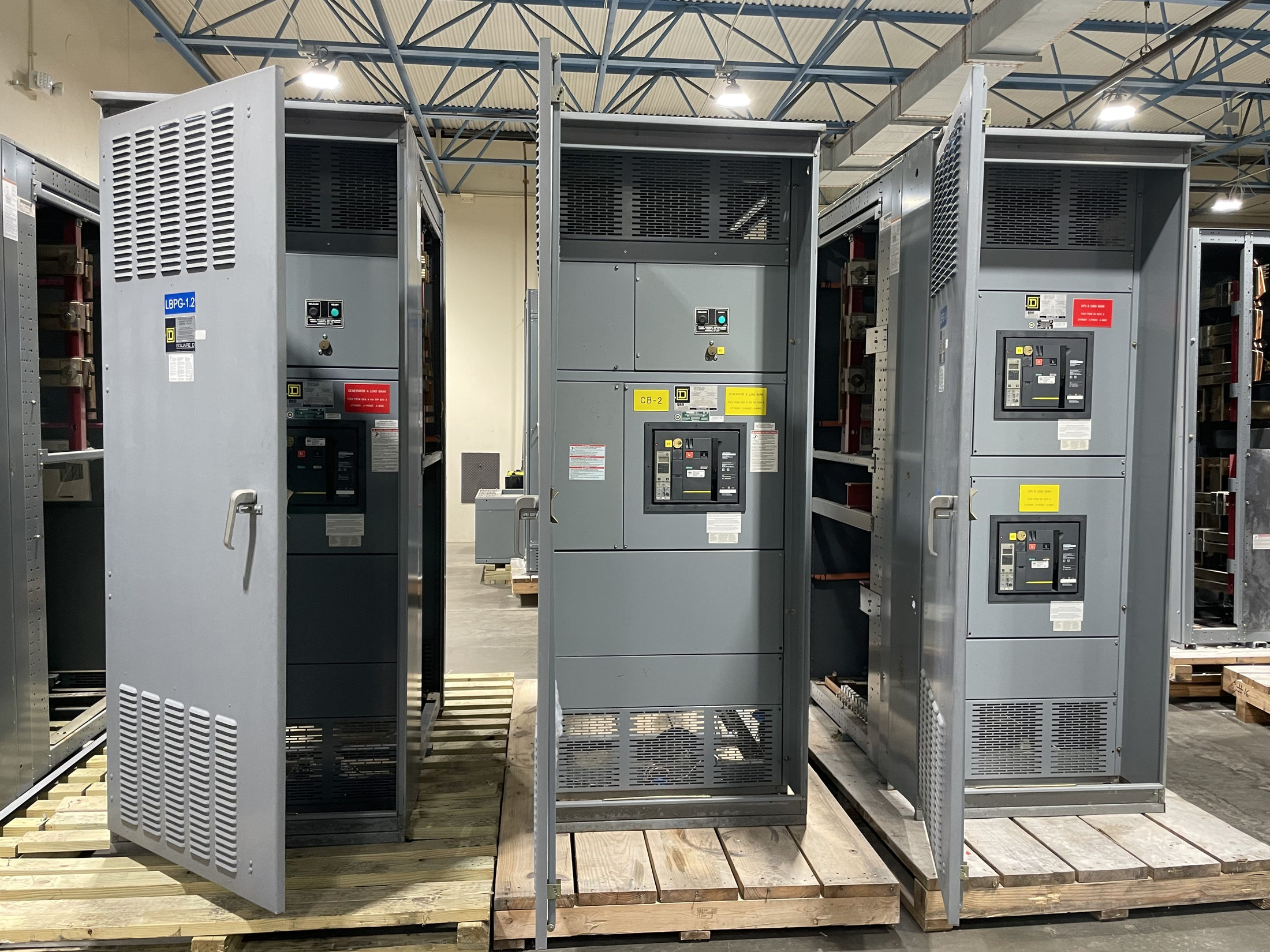
Start with the actual outdoor exposure
Outdoor enclosure requirements begin with the conditions at the equipment location, not simply the fact that it will be outside. Document whether the site is exposed to wind-driven rain, dust, salt-bearing air, industrial contaminants, direct sun, standing water, snow, or freeze-thaw cycles. Note nearby roofs, walls, drainage paths, and sources of heat or moisture that could affect the enclosure. These inputs help the project team define the environmental protection needed for the application and identify conditions that may require added design measures.
For new switchgear, the enclosure configuration must be reviewed alongside the electrical design and installation location. Do not assume that a particular enclosure type, ingress protection, or environmental rating is suitable everywhere. The required construction and any applicable tests or standards depend on the equipment design, site exposure, and project specifications. Qualified electrical professionals should confirm the requirements with the relevant authorities before the design is finalized.
Choose weather protection with installation details in view
Weather protection depends on how the equipment will be installed and used. Confirm whether conduits enter from above, below, or the sides; where cable openings and field connections are expected; and whether the assembly sits on a pad, housekeeping base, or other support. The design should account for the interfaces that can admit water or debris, as well as access panels, doors, seams, and any planned accessories. A weather-resistant enclosure cannot compensate for poorly coordinated penetrations or an installation that directs water toward openings.
Share site drawings, orientation, mounting details, and anticipated conduit routes during specification review. Clarify drainage and runoff conditions around the equipment, including whether the installation location is subject to washdown or flooding concerns. Confirm which weather-exposed features are included in the design and which are by others. These decisions help avoid field modifications that could compromise protection, interfere with access, or conflict with the equipment layout.
Plan safe, workable access around the enclosure
Access requirements include more than the space needed to open a door. Establish the approach path, working area, door swing, operating side, and room needed for inspection or component replacement. Consider adjacent walls, fences, other electrical equipment, vehicle routes, and site security features. Where equipment sections may need to be handled or replaced, identify the intended route and any overhead or turning restrictions. Required clearances and access provisions must be verified against the equipment design, applicable electrical requirements, and project conditions.
Provide the project team with a dimensioned site plan and identify who is responsible for the supporting pad, barriers, lighting, and access controls. Confirm whether the enclosure must accommodate locks or other specified security measures, and avoid treating such features as standard unless they are included in the approved design. Coordination before procurement can reveal conflicts between door access, cable entry, and nearby structures while changes are still practical.
Specify finish for the site environment
Finish selection should reflect expected exposure, cleaning practices, appearance requirements, and contact with nearby materials. Sunlight, moisture, salt, chemical vapors, abrasion, and airborne particles can affect finish performance differently. Describe the location and any known corrosive or industrial conditions rather than relying on a broad label such as outdoor duty. Where color or coating requirements apply, identify the required system or project specification and confirm compatibility with the enclosure material and intended service environment.
Also clarify whether field touch-up, coating repair, or special cleaning restrictions are part of the project requirements; do not assume these are included with the equipment. Finish interfaces matter where customer-furnished supports, fasteners, conduits, or adjacent structures may have different materials or coatings. The design team should review these interfaces and determine whether additional controls are needed. Environmental suitability remains project-specific and should be confirmed before the finish is released for production.
Balance ventilation, heat, and environmental protection
Ventilation decisions depend on the heat generated by the equipment, expected ambient temperatures, solar exposure, loading, and the enclosure configuration. Identify heat-producing components and provide the project design team with applicable equipment and operating information. The team can then evaluate whether natural ventilation, a managed airflow approach, or another design measure is appropriate. Openings, filters, fans, or cooling devices should not be added casually: each can affect environmental protection, maintenance needs, and equipment performance.
Coordinate ventilation with dust, moisture, corrosive exposure, and access for inspection or filter replacement. Confirm any project requirements for monitoring, alarms, or control-power interfaces when active cooling is considered. Thermal evaluation and any required testing should follow the applicable design and project criteria; no single ventilation arrangement is suitable for every enclosure. Final choices should be reviewed by qualified electrical professionals before equipment details are approved.
Close the design gaps before procurement
A useful procurement package brings the site conditions and equipment interfaces together. Submit the one-line diagram, equipment schedule, general arrangement, site plan, conduit and cable-entry information, environmental conditions, finish requirements, and any specified standards. Identify expected operating conditions and customer-furnished items, and flag unresolved questions rather than leaving assumptions implicit. For applicable assemblies, confirm whether UL 891 is relevant to the specified switchboard design; it does not automatically apply to every type of switchgear or enclosure.
Before release, review the proposed enclosure layout for exposure, access, finish, ventilation, penetrations, and maintenance clearances. Agree on which drawings or design documents will be reviewed and what project checks or tests are required, without assuming a particular listing or test applies. A manufacturer can build new equipment to the project specification, with custom assemblies where defined, but suitability depends on complete technical review. Send the coordinated requirements early so design decisions and interfaces can be resolved before production.
Project specification checklist
Use this checklist to organize the details for a project-specific review. Final ratings, applicable standards and equipment selections depend on the approved design.
| Item | What to confirm |
|---|---|
| Exposure conditions | Document precipitation, dust, salt, chemicals, sunlight, temperature range, and drainage concerns at the installation location. |
| Enclosure protection | Confirm required construction, environmental protection, and applicable standards for the specific equipment and site. |
| Access and layout | Provide site dimensions, door swing, working space, approach route, mounting details, and maintenance needs for review. |
| Finish | Specify exposure, coating or color requirements, cleaning conditions, and interfaces with supports and adjacent materials. |
| Ventilation and heat | Supply operating and thermal inputs; confirm any airflow, filtration, cooling, monitoring, and maintenance requirements. |
| Interfaces and verification | Coordinate conduit entries, cables, penetrations, customer-furnished items, required drawings, and project-specific checks. |