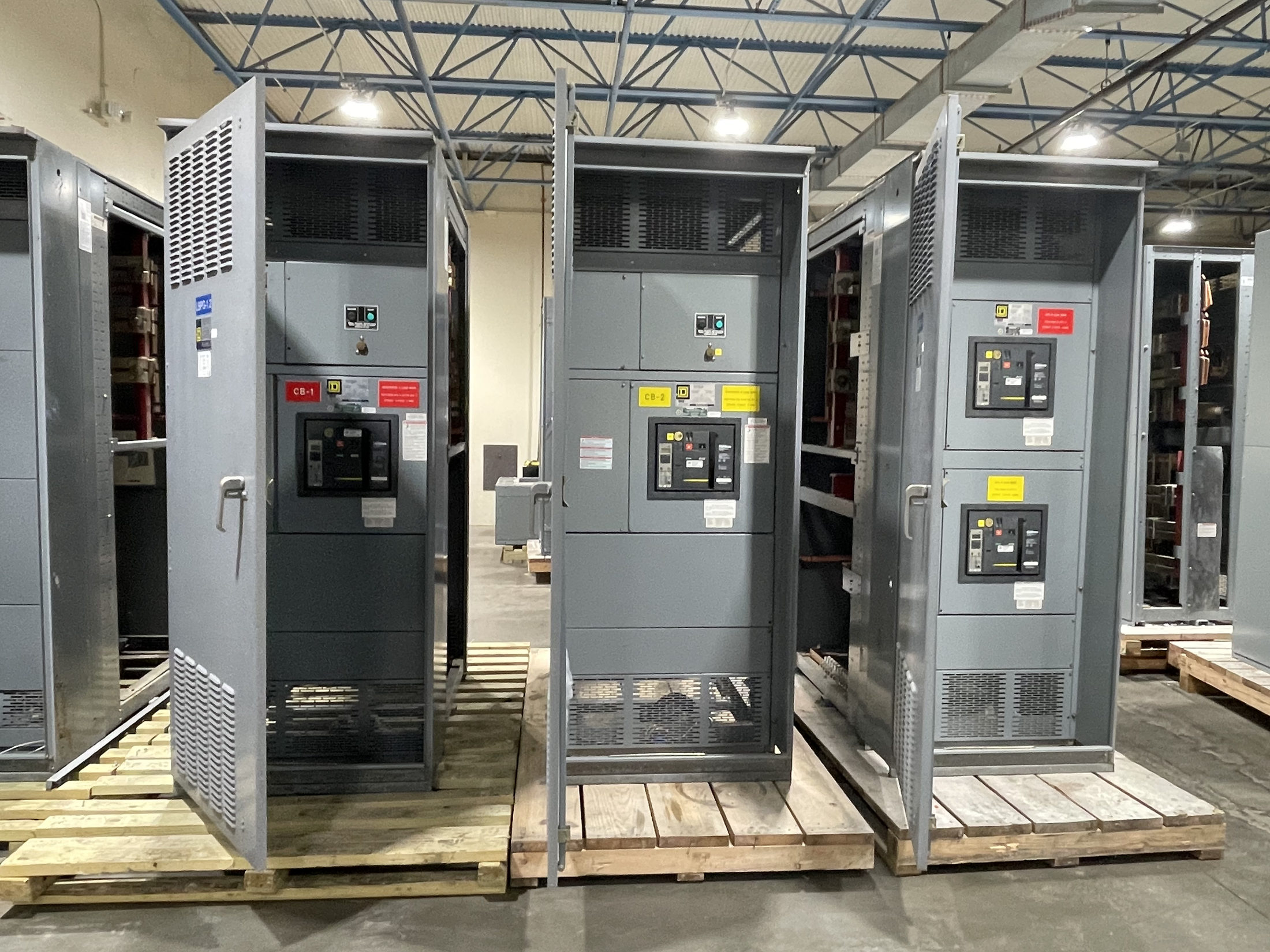
Define the Seismic Design Basis
Seismic equipment requirements begin with the building and project criteria, not a generic switchgear rating. The engineer of record should identify the applicable building code and referenced standards, the project’s seismic design category or other governing seismic parameters, and any owner or authority requirements. The equipment location, elevation, importance or risk category, and whether the installation is essential to a safety-related function may affect the design basis. Confirm these inputs with the responsible design professionals before selecting new switchgear. Requirements can differ between projects and jurisdictions, so a prior project’s details should not be treated as approval for another installation.
Also establish what the equipment must maintain during and after the design event. The specification may require structural integrity, continued operation, or another defined performance objective. Clarify whether the requirement applies to the complete assembly, individual components, internal devices, or connected systems. These distinctions shape qualification evidence, enclosure and environmental design, and procurement documents. The final criteria should be recorded in the project specification and reviewed by qualified electrical and structural professionals, with applicable authorities involved as required.
Match Qualification Evidence to the Assembly
Qualification is meaningful only when its basis represents the proposed equipment and installation. Review the tested or analyzed configuration, including section arrangement, dimensions, mass distribution, internal components, doors, barriers, and any accessories that could change structural behavior. Confirm that the evidence addresses the required seismic demand and the specified performance objective. If a proposed design differs from a qualified configuration, the responsible engineering team must determine whether the evidence remains applicable or what additional analysis or testing is needed.
Do not infer seismic qualification from a product family name, enclosure type, or another rating. Ask what documentation supports the exact assembly and what assumptions or limitations accompany it. Applicable standards depend on the equipment design and project; a listing or qualification for one purpose does not establish seismic suitability. Qualification review should also consider the interface with the supporting structure and any equipment mounted externally. Resolve gaps before release for manufacture so design changes, substitutions, or late accessory additions do not undermine the basis of acceptance.
Coordinate Anchorage and Structural Interfaces
Anchorage transfers equipment forces into the floor, platform, or supporting frame, so it must be coordinated as part of the complete installation. Confirm the switchgear footprint, base or mounting provisions, anchor locations, equipment weight and center of gravity, and the substrate or structural framing to which it will attach. The structural engineer should establish the applicable forces and verify anchors, edge distances, embedment, and supporting-member capacity for the actual site conditions. Do not select anchor hardware or assume a slab can support the assembly without that review.
Coordinate anchor layouts with room dimensions, housekeeping pads if specified, cable entry, conduits, bus connections, and access clearances. These interfaces can constrain placement and may conflict with reinforcing steel, joints, or other embedded items. Identify who provides and installs anchors, templates, and any connection hardware, and specify tolerances and field verification responsibilities. Equipment anchorage details should match the qualified configuration or be reviewed by the responsible engineers. Changes to the supporting structure or mounting arrangement require a documented evaluation rather than an informal field adjustment.
Specify Enclosures and Environmental Conditions
Seismic design does not replace the need to define the enclosure and operating environment. Specify indoor or outdoor placement, exposure to moisture or contaminants, ambient conditions, ventilation needs, and any project-required enclosure characteristics. Confirm the intended location and mounting orientation, along with doors, removable panels, cable openings, and accessories that affect the assembly. Enclosure construction and environmental provisions must be selected for the actual application and coordinated with the seismic design; no enclosure type or environmental rating should be assumed suitable without project verification.
Consider how environmental features interact with structural qualification. Louvers, filters, heaters, barriers, roof features, or field-cut openings may alter configuration or affect maintenance access. State which features are part of the supplied new switchgear and which are provided by others. For outdoor or exposed installations, identify the project’s weather protection and corrosion considerations, while leaving ratings and materials to the approved specification. Document any required clearances and service access so the design can be reviewed against both equipment needs and room or site constraints.
Plan Reviews, Testing, and Submittals
Project documentation should make the design basis traceable from specification through installation. Request the applicable qualification report, test or analysis basis, assembly drawings, outline and anchor plans, equipment weights, and stated configuration limits. Submittals should identify deviations, assumptions, and any components or options not covered by the evidence. The project team can then compare the proposed assembly with its seismic criteria and verify that interfaces align with structural and electrical documents. Any testing or engineering evaluation needed beyond existing evidence should be defined by the responsible professionals and agreed before procurement commitments are finalized.
Set review responsibilities and timing among the manufacturer, electrical engineer, structural engineer, contractor, and authority having jurisdiction as applicable. Resolve comments and substitutions in writing, and preserve approved revisions for construction and inspection records. Confirm whether the project requires witness points, special inspections, or other acceptance documentation; these are project decisions, not automatic features of the equipment. A complete submittal review helps prevent an apparently minor change in arrangement, anchorage, or accessories from invalidating previously reviewed information.
Prepare a Procurement-Ready Seismic Package
Before requesting a proposal for new switchgear, assemble the governing seismic criteria, site and room drawings, required electrical configuration, environmental conditions, mounting information, and submittal requirements. Include the intended equipment location and elevation, supporting-structure details, cable and bus entry preferences, and known constraints such as access routes or embedded items. Ask the manufacturer to identify what qualification documentation is available for the proposed configuration and what project inputs are still needed. Custom assemblies can be developed to specification, but suitability and lead time depend on design review and project requirements.
Use a clear closeout checklist: approve the seismic basis; reconcile equipment drawings with structural anchorage details; confirm enclosure and environmental choices; document deviations and qualification limits; and assign responsibility for anchors, installation verification, and required inspections. Verify that final delivered configuration matches approved submittals before installation. These steps give the project team a practical path from selection to acceptance without presuming a universal rating, qualification, or site service. All design decisions and installation details remain subject to review by qualified professionals and relevant authorities.
Project specification checklist
Use this checklist to organize the details for a project-specific review. Final ratings, applicable standards and equipment selections depend on the approved design.
| Item | What to confirm |
|---|---|
| Seismic design basis | Confirm governing code and standards, project parameters, equipment location, and required performance objective. |
| Qualification evidence | Review evidence for the proposed assembly configuration, including assumptions, limits, and component coverage. |
| Anchorage interface | Coordinate equipment layout and mounting provisions with structural design, substrate, anchors, and site constraints. |
| Enclosure and environment | Define exposure, operating conditions, enclosure needs, openings, accessories, and interactions with qualification. |
| Submittals and acceptance | Identify required drawings, reports, reviews, testing or inspection provisions, deviations, and record documents. |