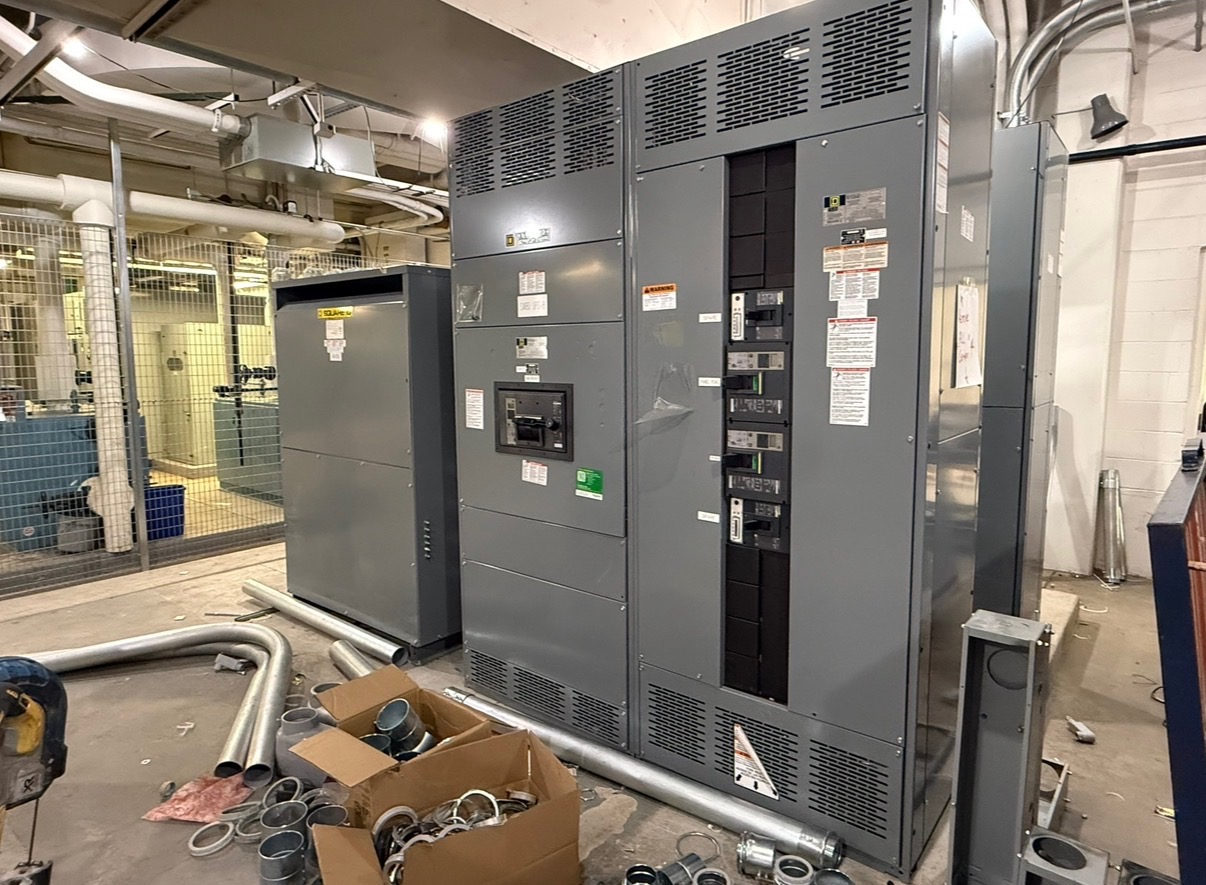
Why enclosure ventilation needs early attention
Ventilation openings and filters are enclosure-design decisions, not add-ons to select after a switchgear layout is complete. Heat from electrical components must be managed within the limits established for the equipment and its operating environment. At the same time, openings can create paths for dust, moisture, fibers, or other contaminants. The design objective is to balance thermal performance with the required environmental protection and a practical maintenance plan.
For a new switchgear assembly, begin with the equipment arrangement, expected loading and operating conditions, room environment, and the enclosure’s exposure. Review the applicable project specifications and site requirements with qualified electrical professionals. The right approach may depend on whether the enclosure is indoors or outdoors, the expected contamination, and the consequences of reduced airflow. No opening, filter, enclosure type, or protection rating should be presumed suitable before those inputs are reviewed.
Translate heat and site conditions into design inputs
Thermal review should consider heat-producing components, their locations, anticipated operating duty, ambient conditions, and the enclosure geometry. The heat profile may vary with configuration and loading, so a general rule of thumb cannot substitute for project-specific evaluation. Identify whether heat removal is expected through natural airflow, filtered openings, or another engineered method, and determine how airflow paths will reach and leave the relevant areas without being blocked by internal barriers or adjacent equipment.
Environmental inputs matter just as much. Document expected dust, airborne particles, moisture, corrosive exposure, temperature variation, and any washdown or cleaning conditions specified for the site. Clarify whether the enclosure is in a controlled electrical room or a less protected location, and note nearby walls or equipment that could restrict airflow. These details help the design team assess cooling needs alongside ingress concerns and identify assumptions that need confirmation before drawings are approved.
Choose openings and filters for the protection goal
A louver, screened opening, or filtered vent can affect airflow and the enclosure’s ability to resist entry of contaminants. Filter media and construction should be considered in relation to the particles expected at the site, airflow requirements, and the maintenance resources available. A finer filter is not automatically better: added airflow resistance and gradual loading can reduce ventilation effectiveness. Likewise, an open path that supports cooling may be unsuitable where the specified environmental protection requires a more restrictive enclosure design.
Confirm the required enclosure type and ingress protection with the project specification and applicable authorities; do not infer a rating from the presence of a filter or opening. Ask how the proposed vent arrangement affects the assembled enclosure and whether the relevant design or listing scope covers that configuration. Standards and qualification requirements depend on equipment type and project. Where a particular protection level is essential, resolve it with the responsible design professionals before procurement rather than relying on a component description alone.
Coordinate airflow with layout and interfaces
Vent locations should be coordinated with the internal arrangement, bus and device placement, cable entry areas, doors, and nearby structures. The design should avoid short-circuiting airflow from an inlet directly to an outlet while leaving heat-producing sections stagnant. Confirm clearances around the enclosure and whether site-installed partitions, plinths, or neighboring equipment could obstruct openings. Also identify interfaces with room ventilation or other environmental systems, while keeping responsibility for each system clear in the project documents.
Review drawings for opening dimensions and positions, filter access, airflow direction where applicable, and the space needed to remove or clean filter elements. Check that maintenance access does not conflict with working clearances or other equipment. Any fans or powered ventilation components, if considered for the specific design, introduce additional coordination such as electrical supply, controls, and failure response. These are project decisions to document and verify; they are not assumed features of every new switchgear assembly.
Plan inspection, cleaning, and performance checks
Filters collect contaminants by design, so their condition can change over time. The project should identify who will inspect them, how condition will be judged, and what cleaning or replacement method is appropriate for the selected media. Consider the actual site environment, anticipated inspection intervals, access constraints, and whether spare filter elements should be specified. A maintenance plan that is difficult to carry out can undermine the intended cooling and protection balance even when the original design is suitable.
During design review and acceptance planning, confirm that openings are unobstructed and that installed filters match the approved configuration. Any thermal evaluation or testing should follow the project’s requirements and be conducted by qualified personnel using suitable procedures; it should not be treated as proof of an unverified enclosure rating. Changes to filters, vent locations, or adjacent barriers after approval may affect performance. Route proposed changes through the responsible engineering review before implementation, and never rely on inspection or maintenance as a reason to work on energized equipment.
Prepare the specification for procurement
To request new switchgear with a well-defined ventilation approach, provide the equipment arrangement and expected operating conditions, ambient and contamination data, required enclosure protection, and any site restrictions on access or airflow. Include drawings showing surrounding clearances and interfaces with room systems. State the expected maintenance approach and identify who will approve environmental and thermal assumptions. These inputs allow the manufacturer and project team to resolve design choices before the configuration is finalized, rather than leaving filter type or opening placement to an undocumented field decision.
For procurement, ask for the proposed vent and filter arrangement to be identified in the submittal, along with applicable assumptions and any required review or verification. Confirm how the specified configuration relates to the applicable standards and any claimed listing; UL 891 applies to suitable switchboard assemblies, not automatically to every switchgear product or environmental design. A US-built custom assembly using all-American components may be developed to project specifications, with lead time determined by the project. Nationwide shipment can be coordinated around approved drawings, site access, and delivery requirements.
Project specification checklist
Use this checklist to organize the details for a project-specific review. Final ratings, applicable standards and equipment selections depend on the approved design.
| Item | What to confirm |
|---|---|
| Thermal design inputs | Confirm expected loading, heat-producing components, ambient conditions, duty, and the project method for evaluating heat removal. |
| Environmental exposure | Document dust, moisture, corrosive agents, temperature variation, cleaning conditions, and indoor or outdoor placement. |
| Protection requirement | Identify the required enclosure type or ingress protection and verify suitability of the complete assembly with project professionals. |
| Vent and filter configuration | Review opening location, airflow path, filter media, airflow resistance, and compatibility with the enclosure design. |
| Interfaces and access | Coordinate room ventilation, surrounding clearances, cable entry, adjacent structures, and space for filter inspection or removal. |
| Maintenance and verification | Define inspection, cleaning or replacement responsibility, and any project-required design review, testing, or acceptance checks. |